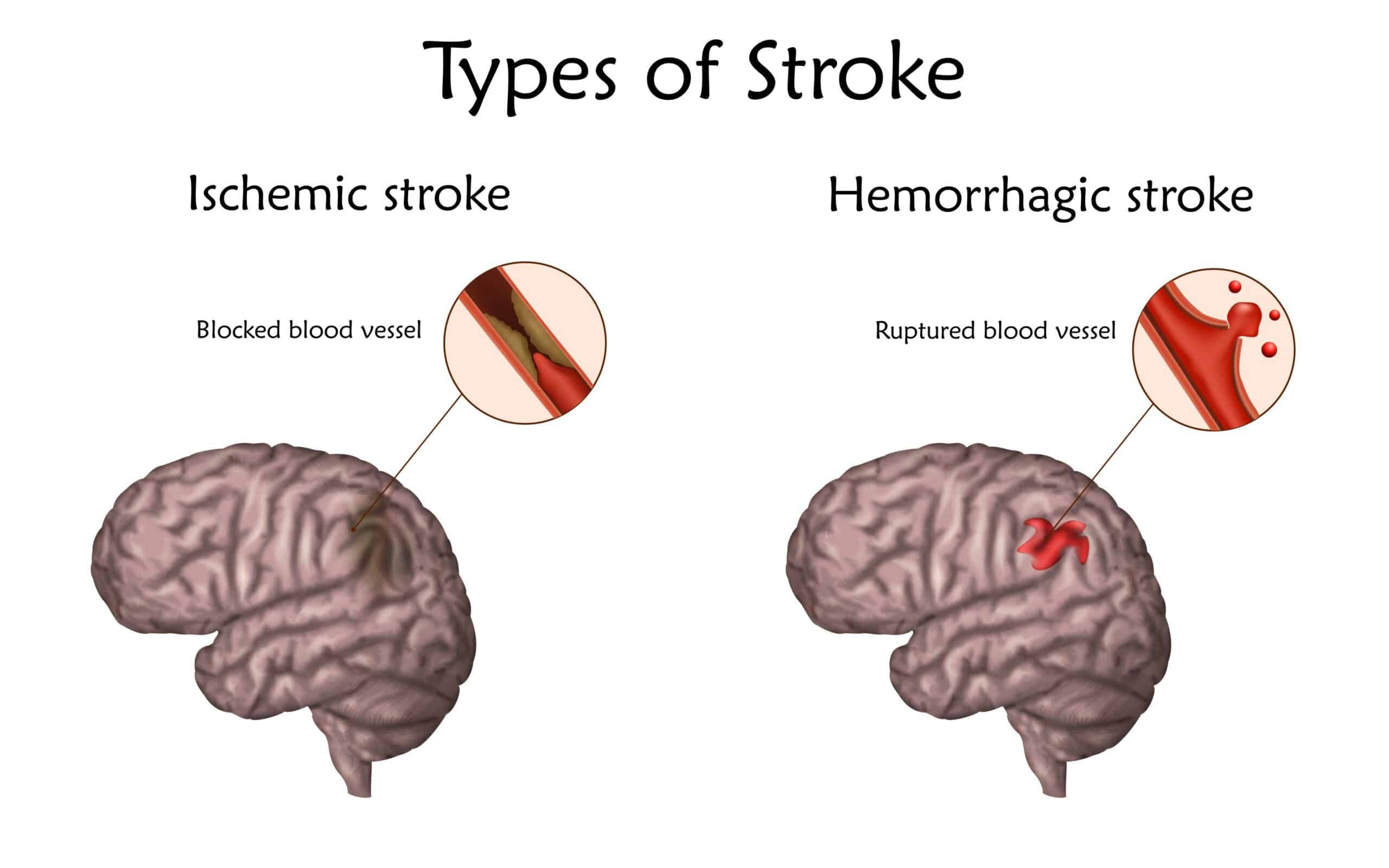
A brain stroke is a medical emergency that occurs when the blood supply to part of your brain is interrupted or reduced, preventing brain tissue from getting vital oxygen and nutrients. Within only a few minutes, brain cells begin to die, which is why immediate action is the most critical factor in survival and recovery. There are two primary types of strokes: Ischemic strokes, which are caused by a blood clot blocking an artery, and Hemorrhagic strokes, which occur when a blood vessel leaks or bursts. Some people also experience a Transient Ischemic Attack (TIA), often called a mini-stroke, which is a temporary blockage that serves as a serious warning sign of a future, more severe event.
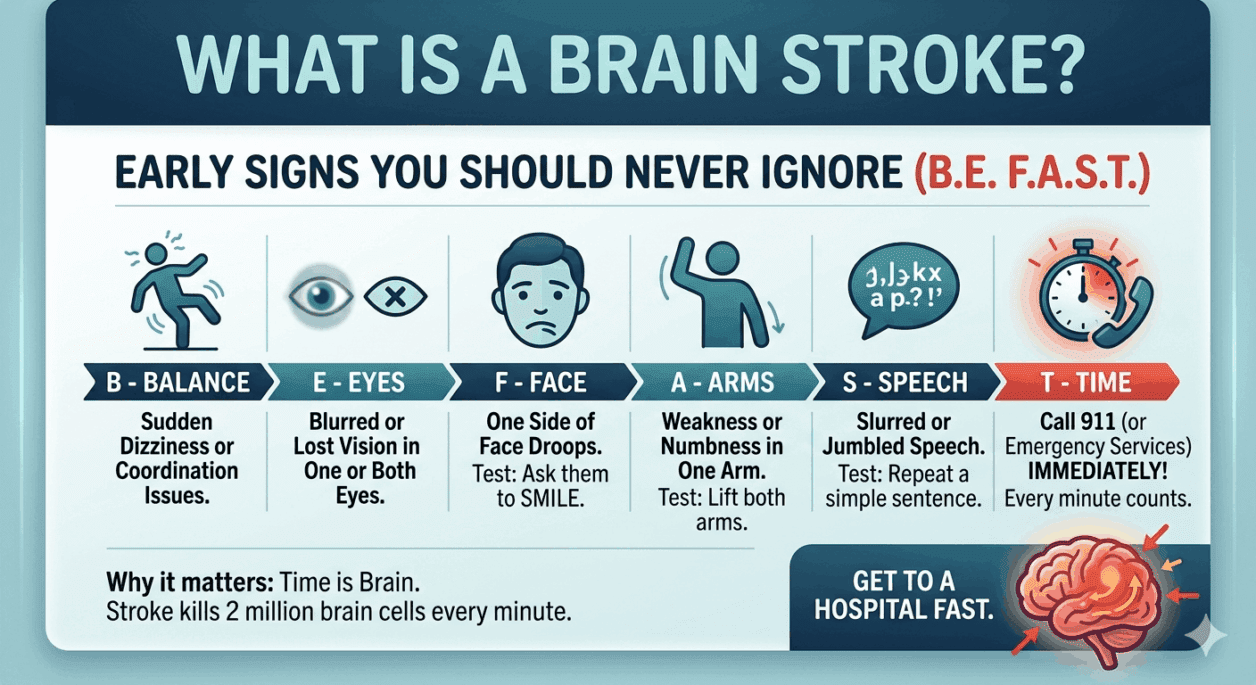
Recognizing the early warning signs of a stroke can be life-saving. A helpful way to remember these symptoms is the acronym B.E. F.A.S.T. First, watch for a sudden loss of Balance or coordination. Second, check the Eyes for any sudden blurred, double, or lost vision. Third, look at the Face to see if one side droops or feels numb; you can ask the person to smile to see if it is uneven. Fourth, check the Arms for weakness or numbness, specifically on one side of the body. If the person tries to raise both arms and one drifts downward, it is a major red flag.
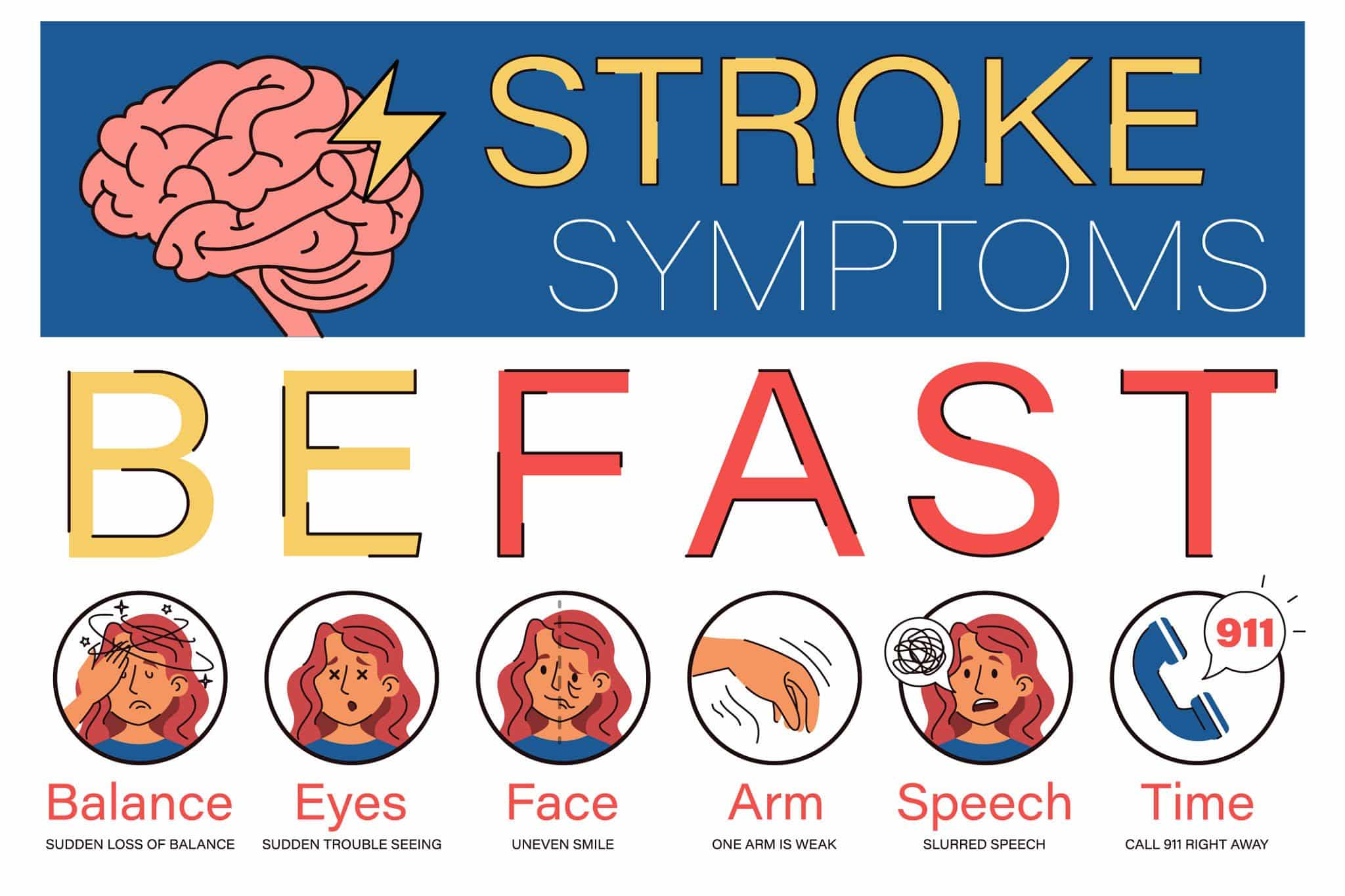
Fifth, listen to their Speech. If they are slurring their words or seem confused and unable to repeat a simple sentence, they may be having a stroke. Finally, Time is the most important element. If any of these signs are present, even if they seem to go away, you must call emergency services immediately. Other symptoms to never ignore include a sudden, severe headache with no known cause, sudden confusion, or trouble understanding what others are saying. Because “time is brain,” getting to a hospital quickly allows doctors to use specialized treatments that can stop the damage and significantly improve the chances of a full recovery.
>Frequently Asked Questions (FAQs)
Can a stroke happen to young people?
Yes. While the risk of stroke increases with age, it can happen to anyone, including children and young adults. Factors like high blood pressure, diabetes, smoking, and certain genetic conditions can increase the risk regardless of age.
What is the difference between a stroke and a heart attack?
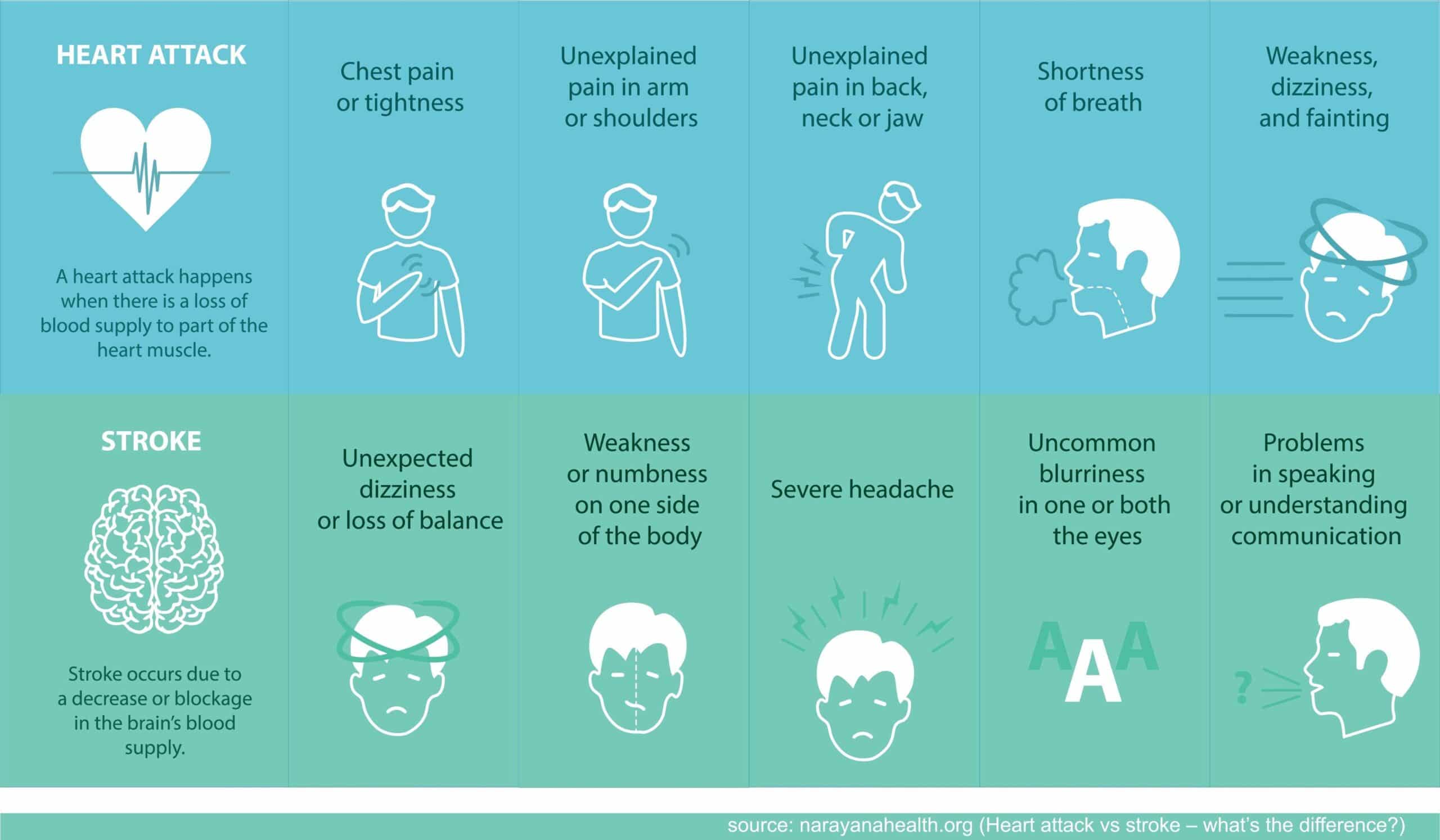
A stroke is a “brain attack” caused by a blockage or bleeding in the brain’s blood vessels. A heart attack occurs when blood flow to a part of the heart muscle is blocked. While both are cardiovascular emergencies, they affect different organs and have different symptoms.
How long do the symptoms of a TIA (mini-stroke) last?
Symptoms of a Transient Ischemic Attack (TIA) usually last only a few minutes and typically resolve within an hour. However, because they are a major warning sign that a full-scale stroke is coming, they must be treated as a medical emergency.
What should I do while waiting for the ambulance?
Keep the person calm and lying down. Do not give them any food, drink, or medication (especially aspirin), as some strokes are caused by bleeding and aspirin can make the bleeding worse. Note the exact time the symptoms started so you can tell the medical team.
What are the After Effects of Stroke?
The aftereffects of a stroke depend largely on which part of the brain was injured and how quickly the person received medical treatment. Because different areas of the brain control different bodily functions, no two people experience recovery in the same way. One of the most common physical impacts is hemiparesis, which is weakness or partial paralysis on one side of the body. This can make everyday movements like walking, dressing, or eating a significant challenge. Some survivors also experience spasticity, where muscles become stiff or go into painful spasms because the brain can no longer send the correct “relax” signals to the limbs.
Read More: Hemiplegia Explained: Causes, Symptoms, and Paths to Recovery
Communication and cognitive changes are also frequent aftereffects. A condition called aphasia can make it difficult for survivors to find the right words, understand what others are saying, or even read and write. Beyond language, a stroke can affect memory, attention span, and the ability to organize complex tasks. Some individuals experience vascular dementia, where the loss of brain cells leads to significant cognitive decline. Additionally, a phenomenon known as neglect can occur, where the brain “forgets” that one side of the body exists, leading a person to ignore objects or people on their left or right side without realizing it.
The emotional and psychological impact of a stroke is just as profound as the physical ones. Many survivors experience post-stroke depression or anxiety as they adjust to their new reality. There is also a condition called the Pseudobulbar Affect (PBA), which causes sudden, uncontrollable episodes of crying or laughing that don’t match how the person actually feels. Sensory issues are another common hurdle, ranging from chronic nerve pain and numbness to a complete loss of sensation in certain parts of the body.
📕📕📕📕i suffered a Hemorrhagic stroke 2 years ago (18feb 2024) resulting left body side paralysis but i am working hard to regain my balance and movement.
✅ keep checking this blog for more recovery updates: