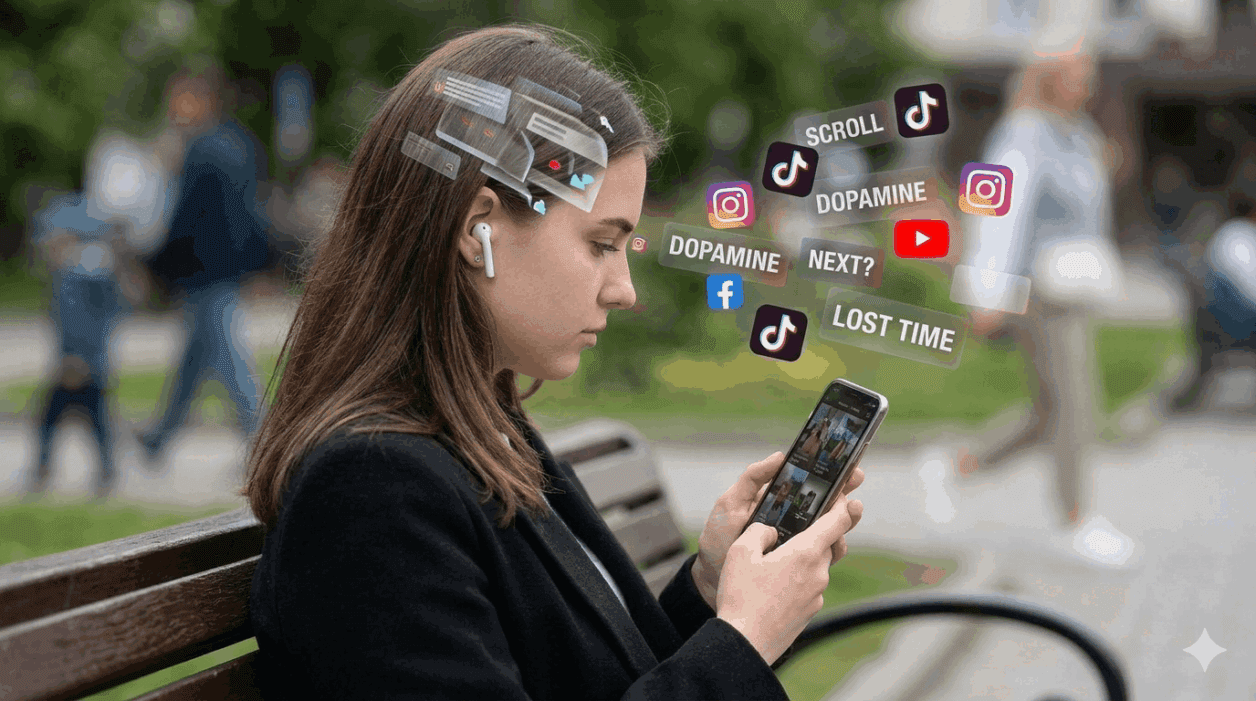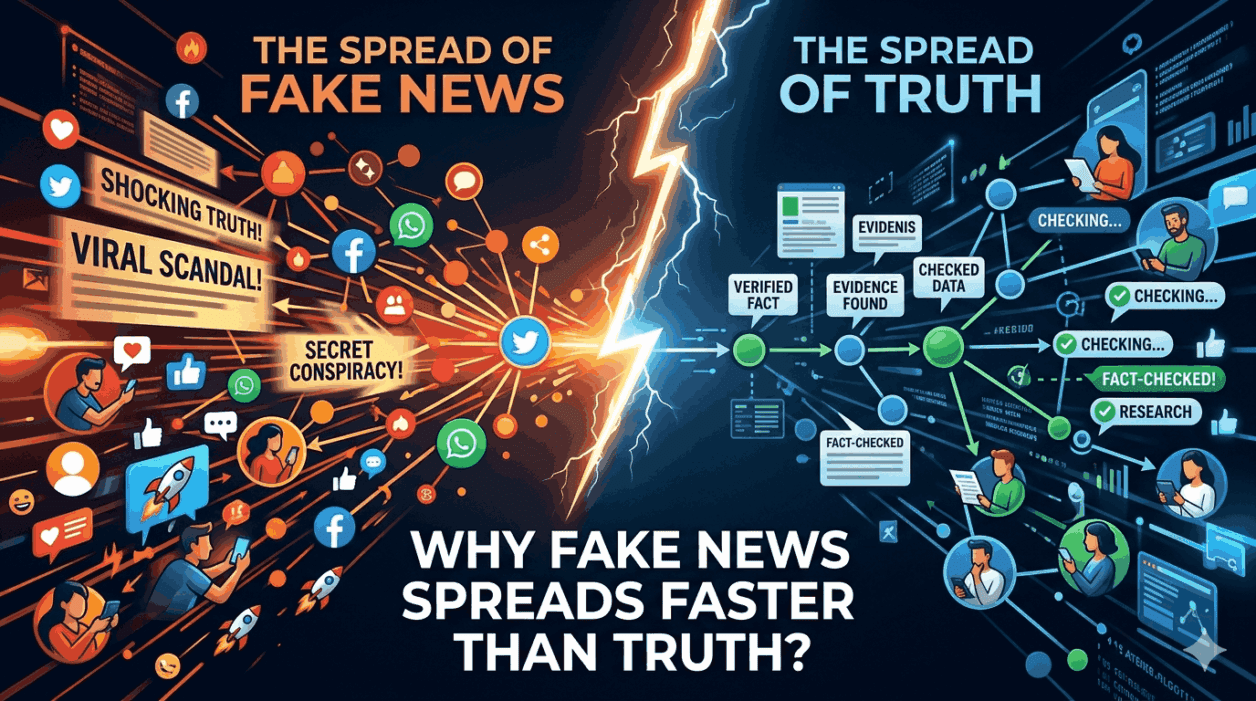
False information spreads across social networks with remarkable speed and reach, frequently outpacing factual content. This phenomenon isn’t random; it’s driven by a combination of powerful psychological triggers and the specific way social media platforms are designed.
Our brains are wired to prioritize novel and emotionally charged information, a tendency exploited by fake news.
Headlines that provoke anger, fear, or surprise are naturally more engaging and are therefore shared more rapidly, often impulsively.
This “novelty hypothesis” suggests that people inherently find new and unexpected stories more compelling, leading to quick dissemination.
Furthermore, humans possess a strong desire for dynamic and engaging content. We are often more inclined to share stories that reinforce our existing beliefs  (confirmation bias) or align with our group identity. It’s about more than just correctness; it’s about connecting with others and feeling part of a community.
Social media algorithms exacerbate these human tendencies. Platforms prioritize high levels of engagement, measured in clicks, likes, comments, and shares, rather than prioritizing information accuracy. A sensational and polarizing post will generate more interaction and, as a result, will be amplified and seen by more users.
Ultimately, combating the rapid spread of misinformation requires individual vigilance. Critical thinking and lateral reading are essential skills for navigating the modern information landscape. By questioning sources, verifying information, and being mindful of our emotional responses, we can each play a part in slowing the virality of false narratives.