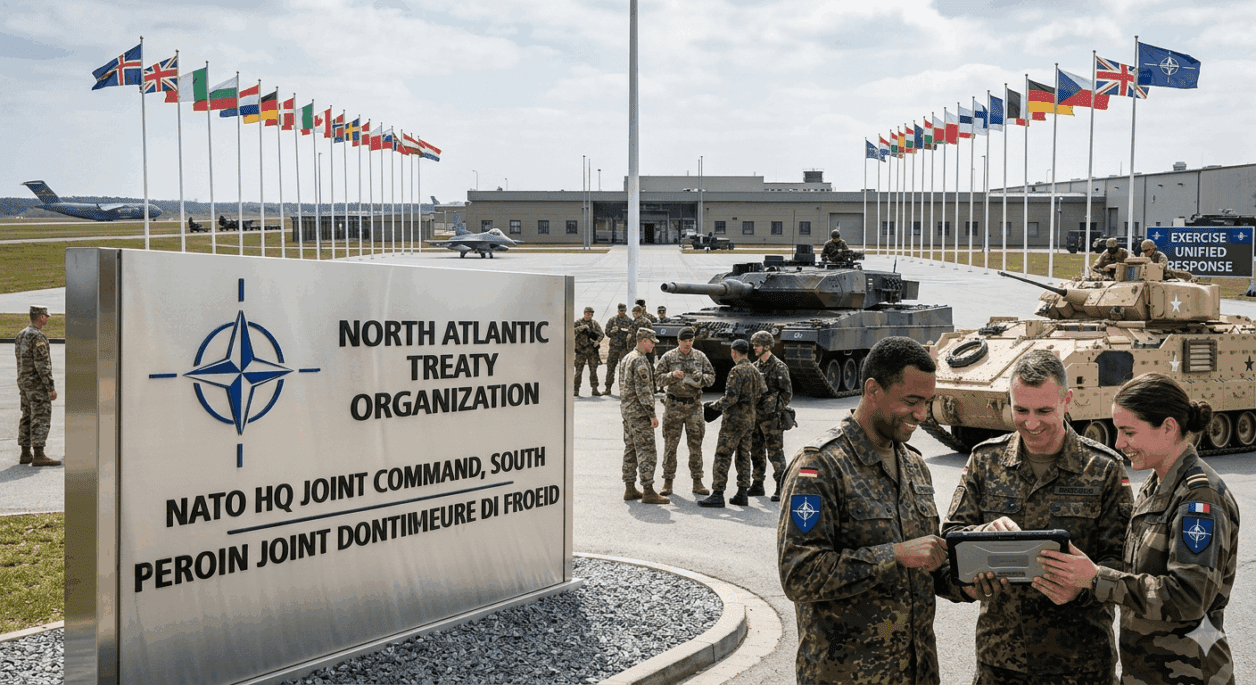
You likely see the name “NATO” in the headlines every day, but its actual function is often misunderstood. At its core, the North Atlantic Treaty Organization is a political and military alliance of countries from Europe and North America. Founded in 1949 in the aftermath of World War II, its primary purpose was—and remains—to secure peace and protect the freedom of its members through a unified front.
Today, NATO has grown to include 32 member countries. These nations have entered into a formal agreement to consult one another on security issues and, most importantly, to defend each other against external threats. This sense of unity is the backbone of Western security architecture.
The Power of Collective Defense
The most famous part of the NATO agreement is Article 5, often referred to as the principle of collective defense. This rule states that an attack against one member is considered an attack against all members. This “all for one” approach is designed to discourage any nation from starting a conflict, knowing that they would be facing the combined military strength of dozens of nations rather than just one.
Historically, Article 5 has only been triggered once: following the September 11 attacks on the United States. This demonstrates that while the alliance is built for defense, it is a serious commitment that the members do not take lightly. By maintaining this high level of cooperation, NATO creates a deterrent effect that has helped prevent major conflicts in Europe for decades.
Why NATO Is More Relevant Than Ever
In the modern world, the challenges to peace have shifted. While NATO was originally focused on traditional warfare, it now addresses a wide range of modern security threats. This includes everything from countering terrorism and piracy to defending against sophisticated cyberattacks that can cripple a nation’s infrastructure without a single shot being fired.
Furthermore, NATO acts as a vital forum for international cooperation. It allows member countries to synchronize their military technology, share intelligence, and conduct joint training exercises. This ensures that if a crisis does occur—whether it is a natural disaster or a security breach—the member nations are prepared to respond quickly and efficiently.
Ultimately, NATO matters today because it provides a stable foundation in an increasingly unpredictable global landscape. It remains a symbol of shared democratic values and a practical shield that protects the sovereignty of its members. As long as global tensions exist, the alliance serves as a necessary guardian of international order and peace.