The Middle East is on fire, and the smoke is reaching India’s doorstep.
What started as a targeted strike has evolved into a chaotic, multi-front war involving global powers. But as the missiles fly, a darker question emerges: Is everything we see real, or are we being manipulated into a much larger conflict?
The Humanitarian Toll
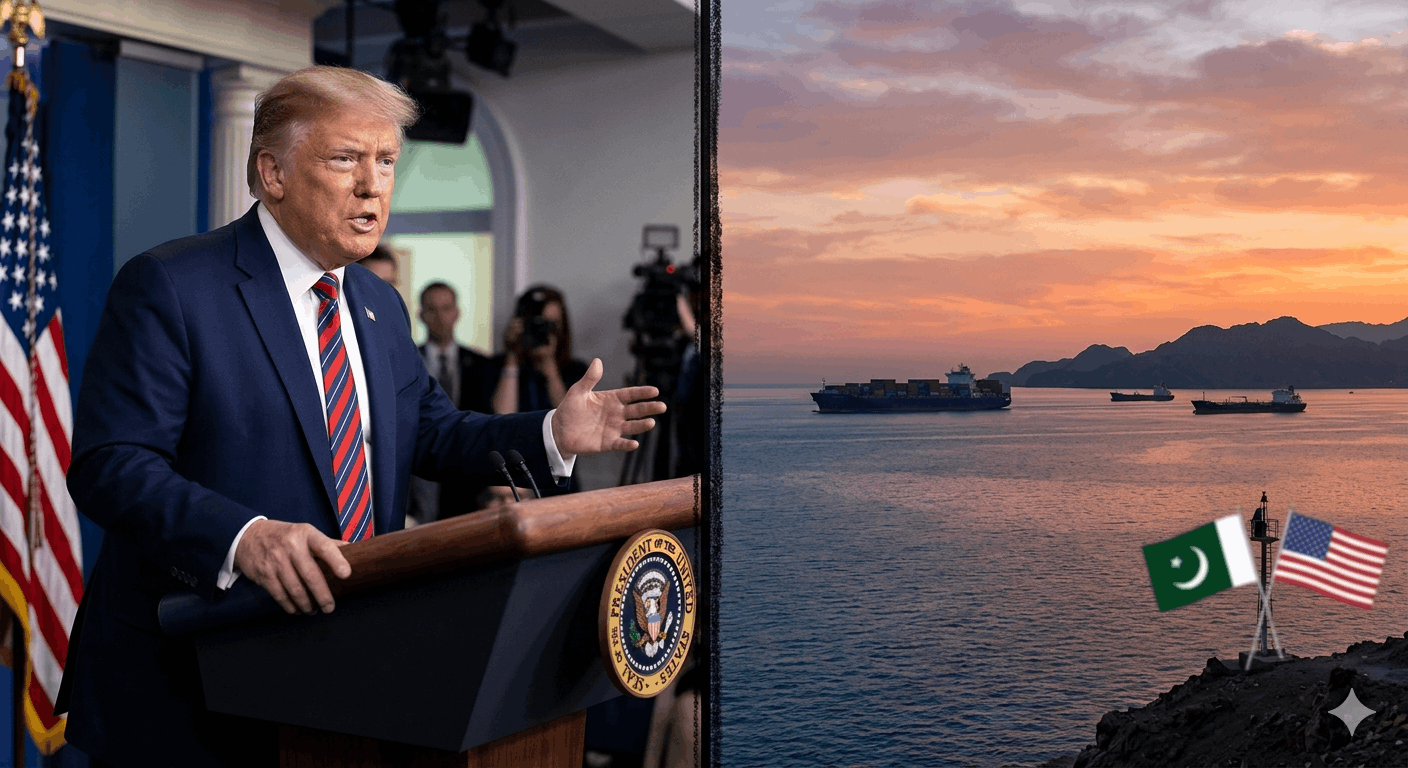
While the political rhetoric focuses on “liberation” and “democracy,” the reality on the ground in Tehran is carpet bombing and rising death tolls. In the Indian Ocean, the US recently sank an Iranian warship—an act of aggression that left over 100 sailors to drown, a move critics call a “new low” in international warfare.
The Shadow Games: False Flags?
The most provocative claim in the recent analysis by The Deshbhakt is the possibility of False Flag operations. History shows that nations sometimes stage attacks on themselves or allies to justify war. From the 1931 Manchurian incident to Israel’s own 1954 Lavon Affair, the tactics of deception are well-documented.
With recent attacks in Cyprus and Saudi Arabia being wrongly blamed on Iran, one has to wonder: Is Israel pushing for a “Religious War” to achieve long-term goals, such as the construction of the Third Temple?
Why This Matters to India
This isn’t just a “Middle East problem.” When the US sinks a ship in Sri Lankan waters—a ship invited by India for a naval review—it signals a disregard for regional sovereignty. If the US begins demanding access to Indian ports and airbases, will India maintain its independence, or will it be swept up in this “unipolar” aggression?
Conclusion
As the cost of war hits $1 billion per day for the US, the global economy shudders. We must look past the headlines and ask who truly benefits from this chaos. In a world of “False Flags” and shifting alliances, skepticism is our only defense.
Watch the full analysis here: