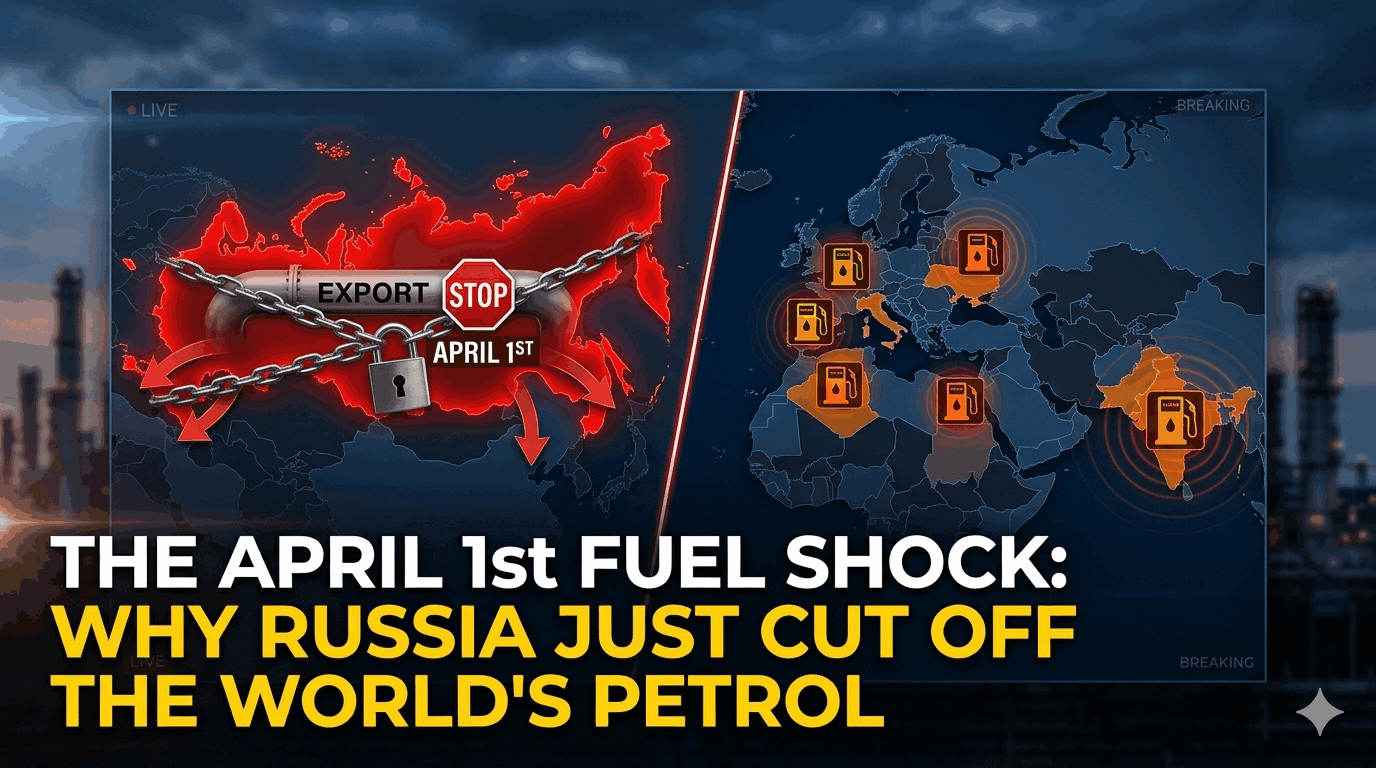
Yes, it is true. Russia has announced a temporary ban on gasoline (petrol) exports starting April 1, 2026. The ban is scheduled to remain in place until July 31, 2026.
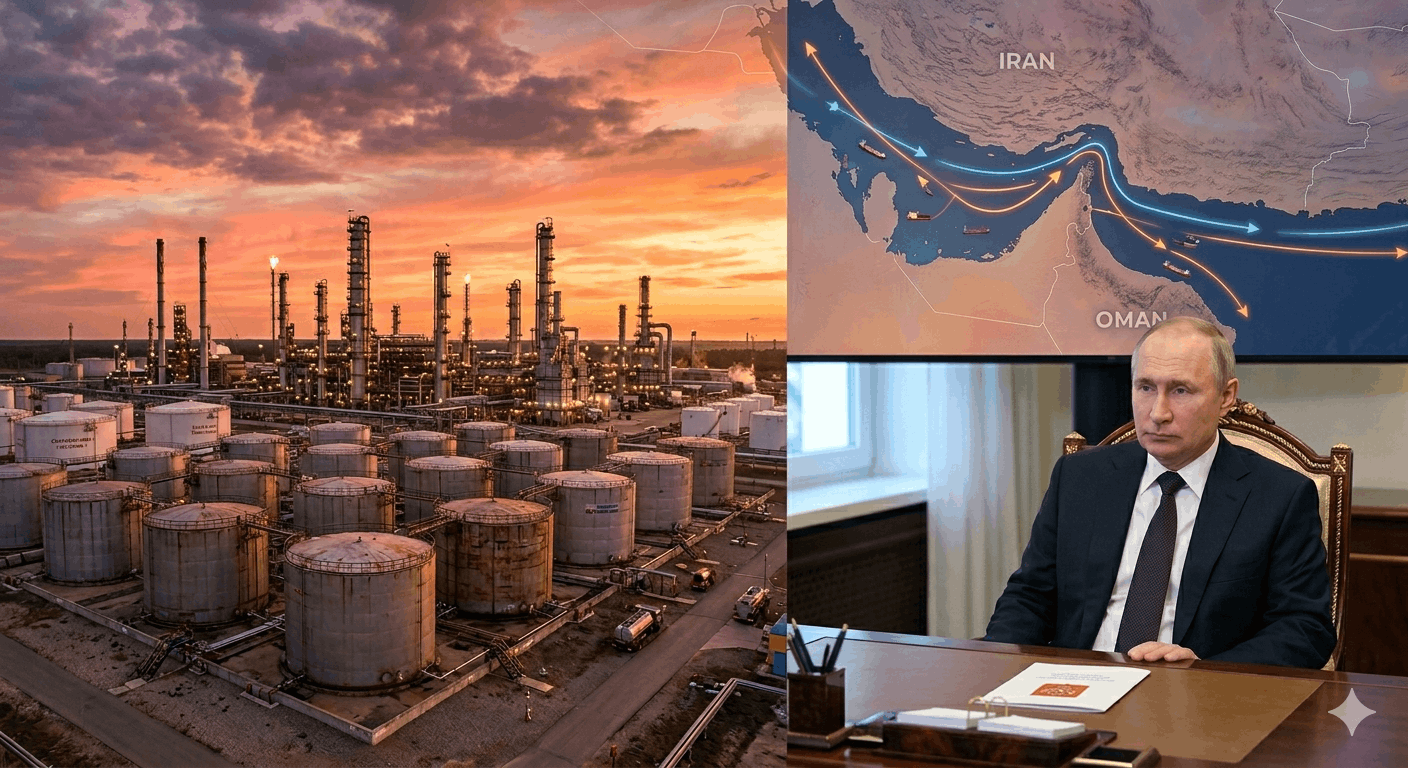
In a decisive move aimed at insulating its domestic economy from global energy turbulence, Russia has officially announced a ban on gasoline exports starting April 1, 2026. The temporary restriction, which will remain in place until July 31, comes amid escalating geopolitical tensions in the Middle East and internal pressures on Russian refining capacity. According to a government statement cited by state news agencies, Deputy Prime Minister Alexander Novak instructed the Ministry of Energy to draft the decree following a meeting focused on stabilizing the domestic fuel market . While Russia remains a titan in crude oil exports, this ban on finished gasoline is a strategic pivot to prioritize local supply over foreign revenue.
Why the Ban?
Russian authorities cited “turbulence in the global market” caused by the deepening crisis in the Middle East as a primary driver for the decision . However, the move also addresses domestic vulnerabilities. Over the past year, Ukrainian drone strikes have reportedly damaged key Russian refining infrastructure, straining domestic supply chains. By halting exports, the Kremlin aims to achieve three critical objectives: capping domestic gasoline prices to prevent inflation from burdening citizens, ensuring ample fuel supply for the upcoming spring agricultural sowing season, and building a buffer reserve to maintain stock stability while damaged refineries undergo repairs . Notably, this is not the first time Russia has implemented such measures, having used similar export curbs in 2024 to successfully calm domestic price spikes .
The Global Ripple Effect
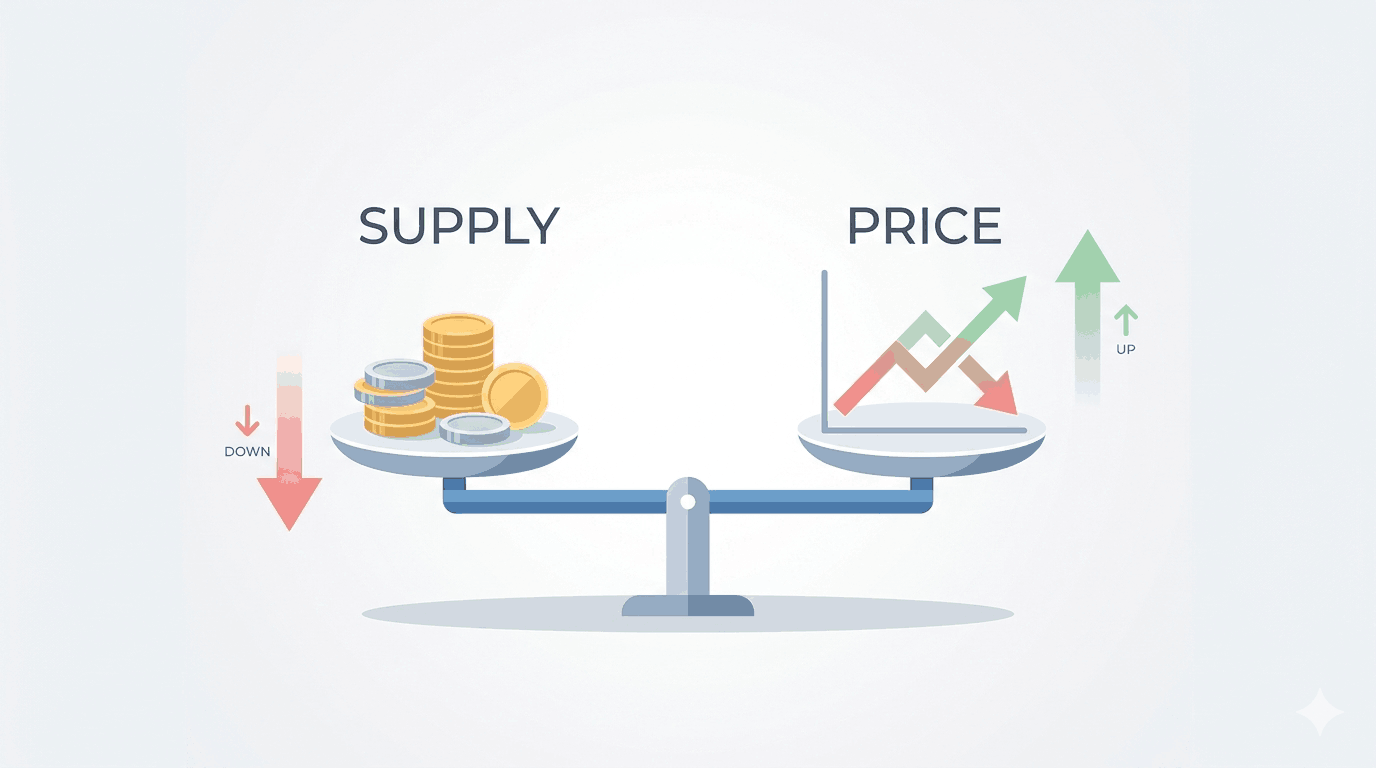
Although Russia is a leading crude oil exporter, its role in the global finished gasoline market is comparatively smaller, accounting for less than 2% of global gasoline trade. However, the context of the ban amplifies its significance. With the Strait of Hormuz—a critical chokepoint for global oil shipments—currently described as a “war-like” zone due to the ongoing US-Israeli conflict with Iran, the global energy market is already on edge . Any reduction in supply, no matter how modest, adds upward pressure on international prices. This comes at a time when Brent crude has already surpassed $112 per barrel, raising the cost of transportation and manufacturing worldwide .
The View from New Delhi
For Indian consumers and policymakers, the impact of Russia’s ban remains “indirect but manageable.” India is the world’s third-largest oil consumer and relies on imports for over 85 percent of its crude needs. However, Indian energy experts emphasize a crucial distinction: India imports crude oil, not finished gasoline. With a massive domestic refining capacity of approximately 5.6 million barrels per day, India processes its own fuel, meaning the direct lack of Russian gasoline will not cause queues at local petrol pumps . In fact, India is a net exporter of refined fuels.
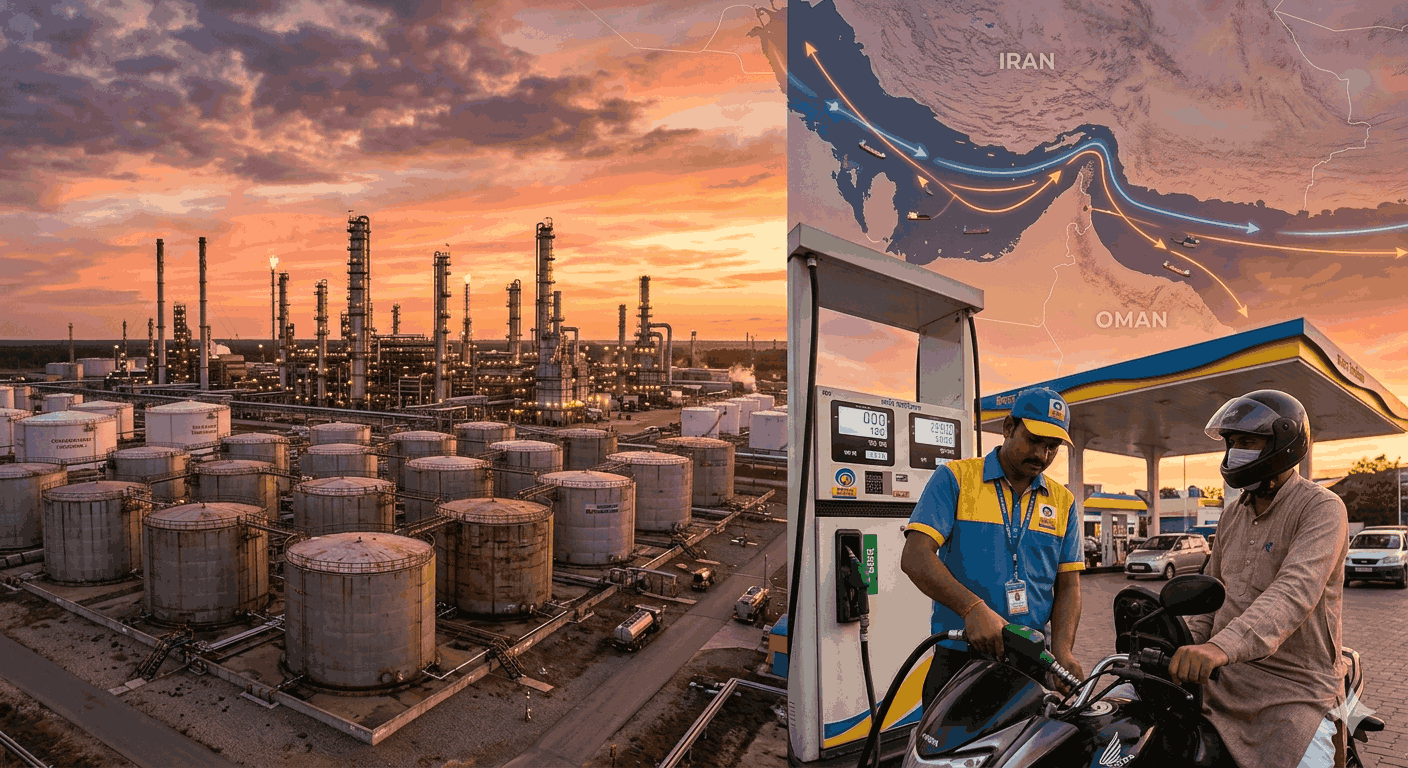
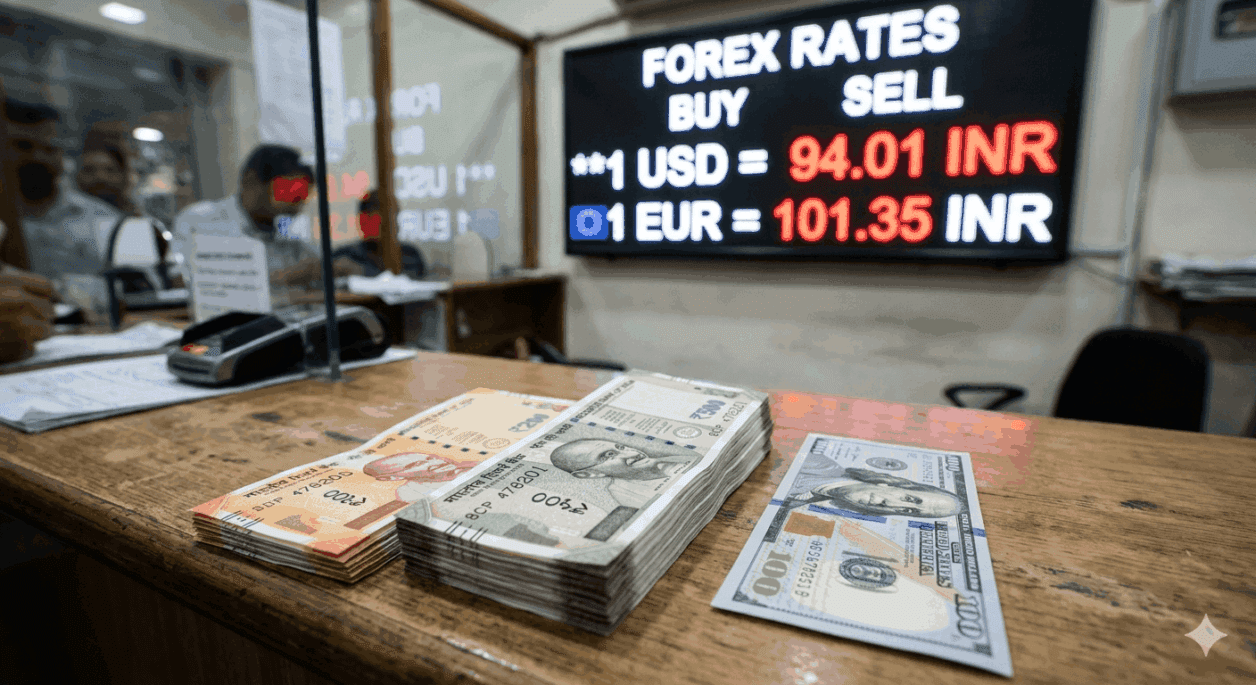
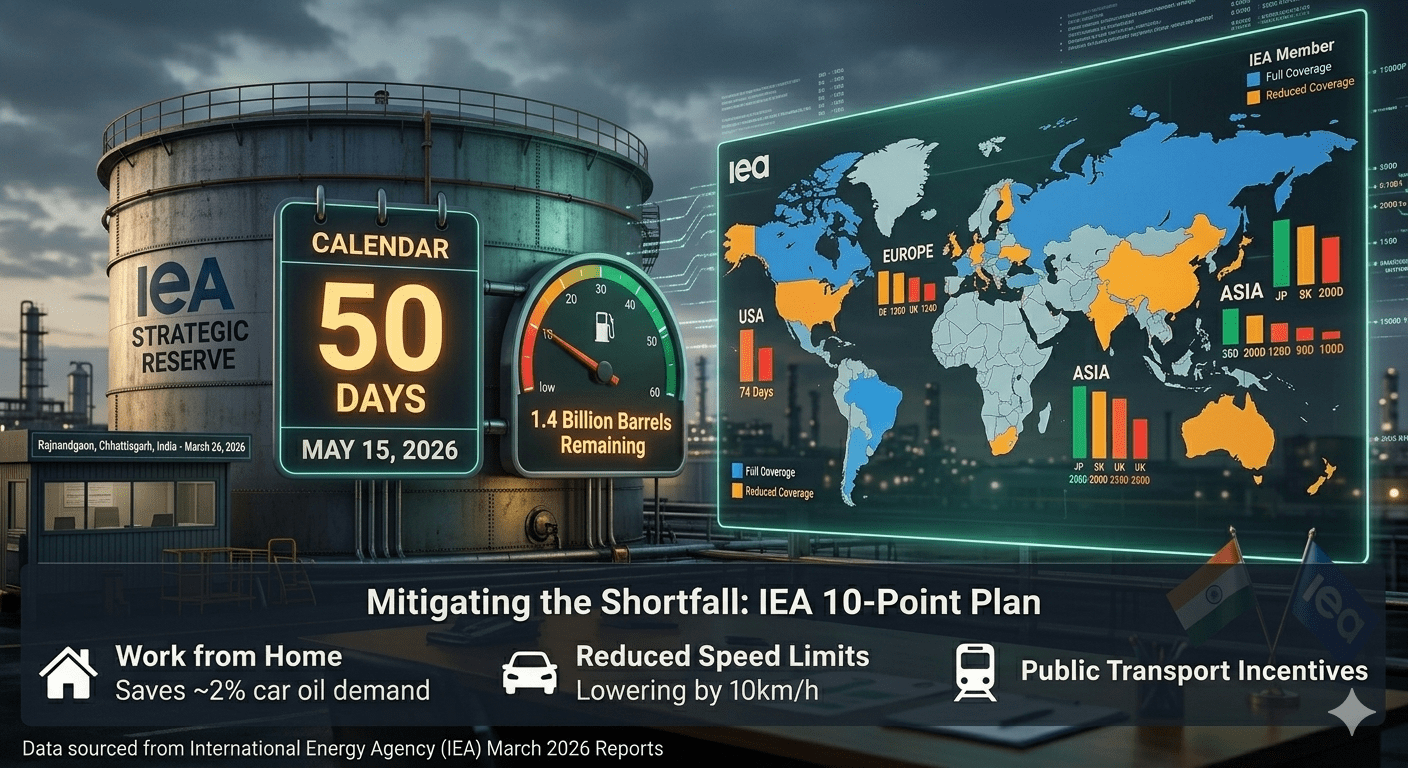
However, the indirect risk lies in global crude pricing. As global markets tighten due to the combination of the Russian ban and Middle East disruptions, the price of the raw material (crude oil) rises. Recognizing this threat, the Indian Ministry of Finance has already acted proactively. Finance Minister Nirmala Sitharaman recently announced a significant reduction in excise duties on petrol and diesel to shield consumers from the surge in global energy costs . The government has also imposed export taxes on refined fuels to ensure that domestic supply is not drained by more profitable international sales . While the situation remains fluid, India’s strategic refining autonomy and proactive fiscal policy currently buffer the nation from the direct shocks of the Russian export ban, though vigilance regarding global crude prices remains essential.