Israel Admits to UN Strike: A Dangerous Turning Point
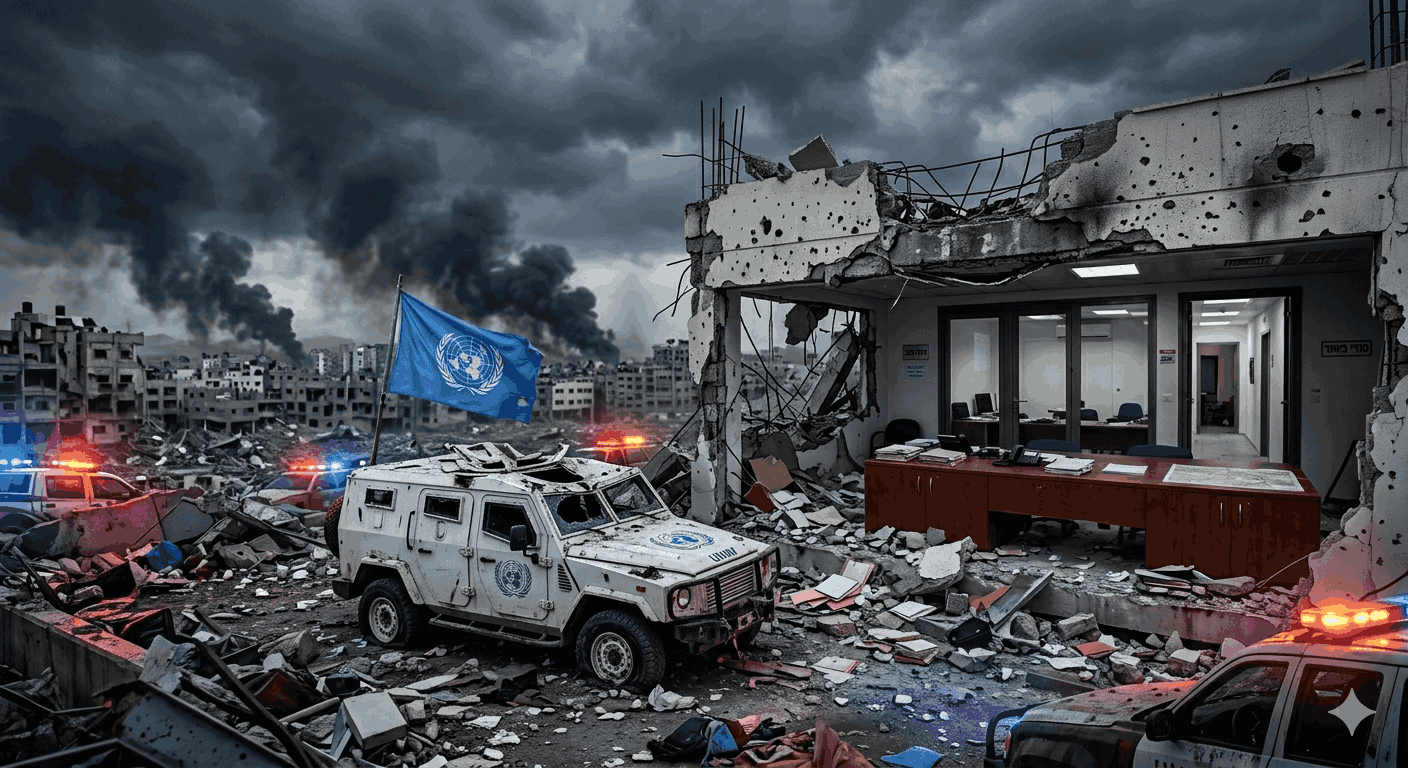
In a significant development that marks a potential escalation in the ongoing regional conflict, Israeli officials have formally admitted responsibility for a military strike that hit a United Nations facility. The admission comes as the war shows signs of widening beyond its initial borders, drawing in new fronts and raising urgent questions about the protection of international personnel and civilian infrastructure.
The Admission and Its Context
According to reports, the admission confirms what humanitarian organizations had feared: that the conflict zone has become increasingly dangerous for non-combatant entities. While the Israeli military stated that the operation targeted “combatants” operating in the vicinity of the UN site, the acknowledgment of striking a facility protected under international law has sparked immediate diplomatic backlash. The United Nations has reiterated that its premises are inviolable, and any attack on them potentially constitutes a war crime. This incident is not isolated; it reflects a broader pattern of the conflict expanding, with military operations occurring in areas previously considered safe zones for aid workers and diplomatic missions.
The Widening War
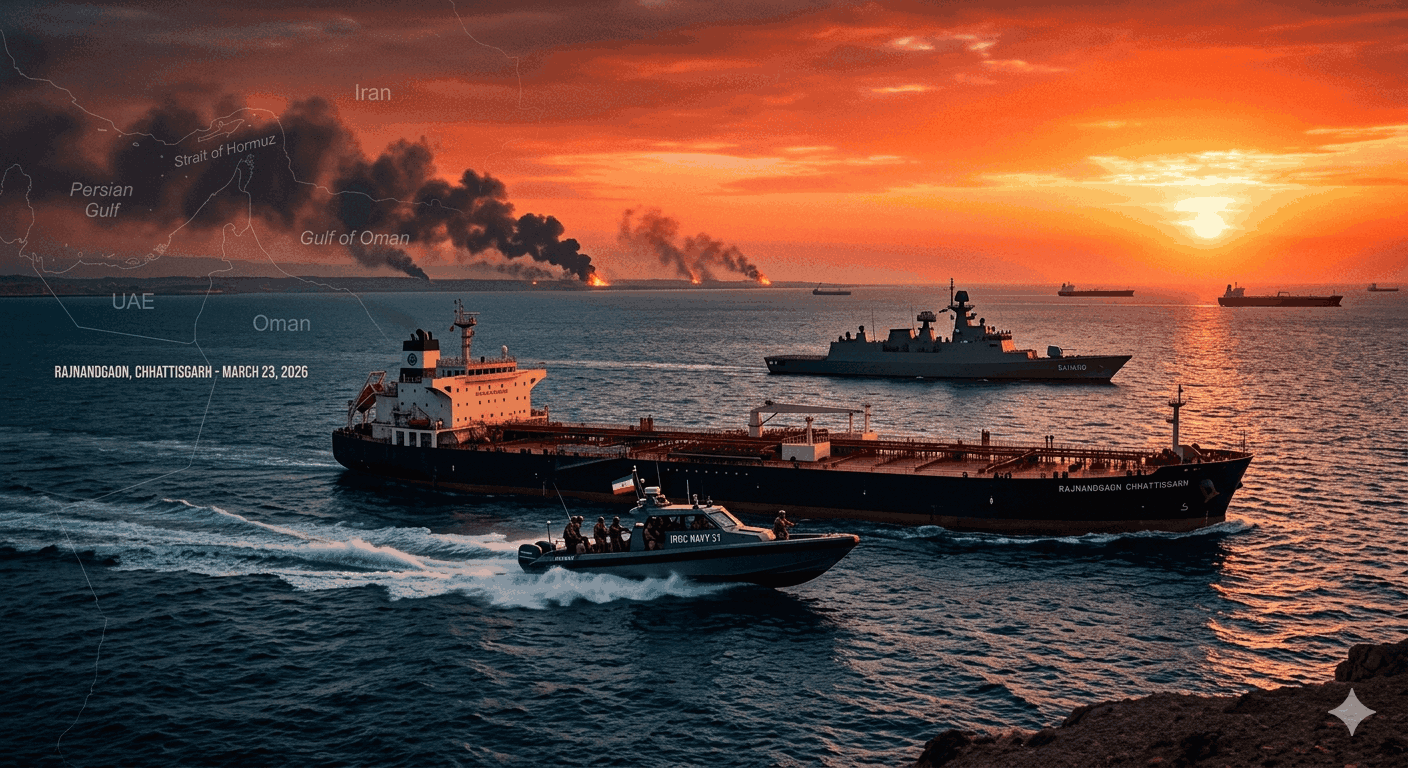
The title “as war widens” is critical to understanding the current landscape. What began as a localized confrontation now threatens to involve multiple state and non-state actors across the region. Recent weeks have seen increased exchanges of fire along the northern border, maritime confrontations, and airstrikes deep within sovereign territories. This widening scope means that logistical hubs, international aid convoys, and UN facilities—once shielded by their neutral status—are increasingly finding themselves in the crosshairs. The strike on the UN site serves as a stark warning that the rules of engagement are being stretched thin as the conflict enters a more volatile phase.
International Reaction and Humanitarian Impact
The international community has reacted with alarm. Humanitarian agencies have temporarily suspended operations in several areas, citing the lack of safe access. For the civilian population, this suspension of aid could be catastrophic. Food, water, and medical supplies are already scarce, and the loss of UN operational capacity further deepens the crisis. Diplomats at the United Nations Security Council are reportedly drafting statements calling for an independent investigation into the strike. However, geopolitical divisions have historically made it difficult for the council to issue unanimous condemnations regarding this conflict.
Why This Matters for Global Stability
Beyond the immediate humanitarian toll, the admission sets a precarious precedent. When UN facilities become legitimate targets in the eyes of warring parties, it erodes the foundational principles of international humanitarian law. For everyday people trying to survive the conflict, the UN often represents the last line of protection and aid. The erosion of that safe space signals that the conflict is spiraling out of control, with potentially severe consequences for regional stability and global diplomatic norms.
Looking Ahead
As investigations begin and the international community scrambles to respond, the focus remains on de-escalation. However, with the war widening and direct admissions of strikes on international targets, the path to peace appears increasingly narrow. For now, the world watches to see whether this incident will prompt a reevaluation of military tactics or simply become another grim milestone in a war that continues to defy containment.
Source: MSN News / Original reporting as aggregated from wire services