Ernesto “Che” Guevara was born on June 14, 1928, in Rosario, Argentina, into a middle-class family with leftist leanings. From the age of two, he battled severe asthma, a condition that plagued him throughout his life. Rather than limiting him, this illness seemed to forge a spirit of defiance. He excelled as an athlete, playing rugby and chess, and became an avid reader, devouring works by Marx, Neruda, and Faulkner.
The Life-Changing Motorcycle Diaries
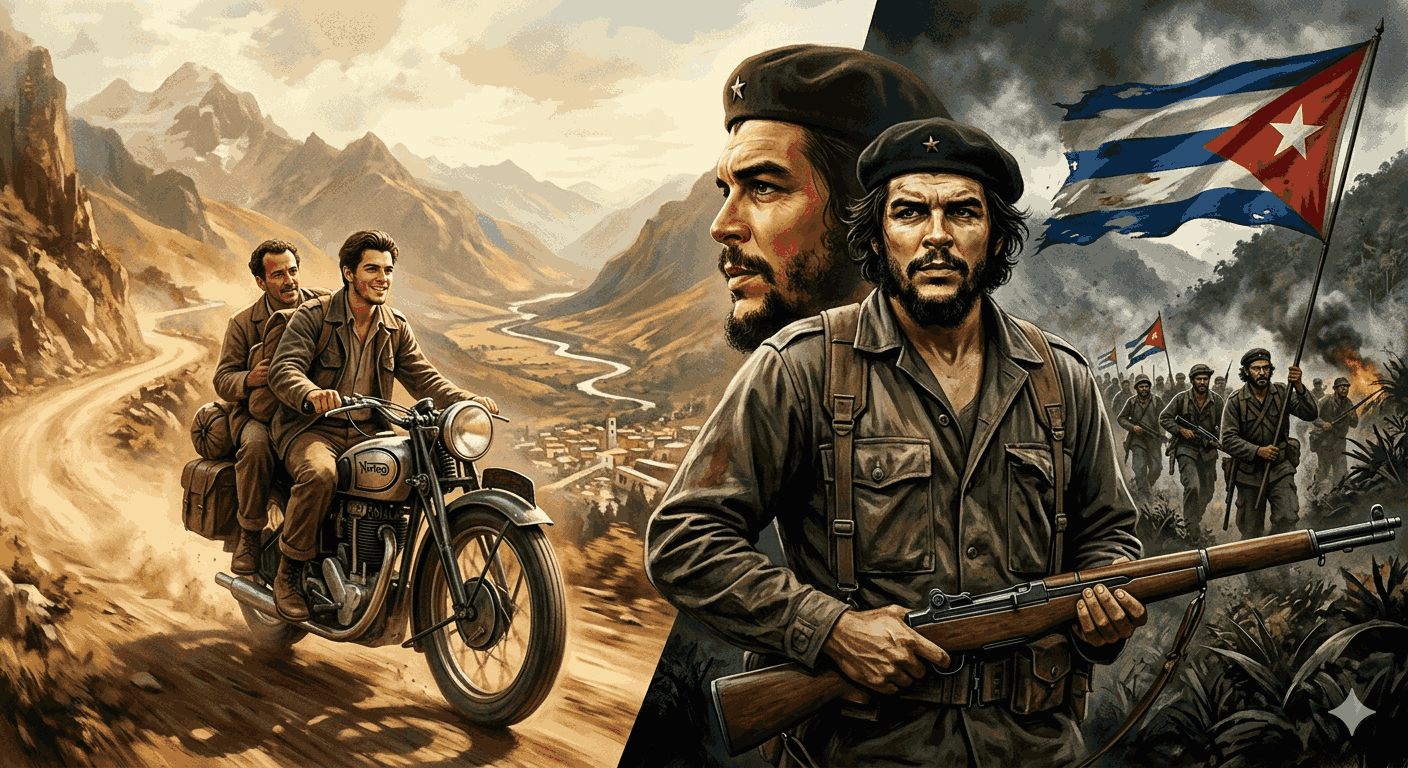
In 1951, the 23-year-old medical student set out on a nine-month, 5,000-mile motorcycle journey across South America with his friend Alberto Granado. This odyssey, famously chronicled in The Motorcycle Diaries, exposed him directly to the continent’s crushing poverty and social injustice. Witnessing the exploitation of miners and the plight of lepers transformed him, planting the seed for his revolutionary ideals. Though he completed his medical degree in 1953, he abandoned medicine, believing that only revolution could heal the deep wounds of inequality.
The Cuban Revolution
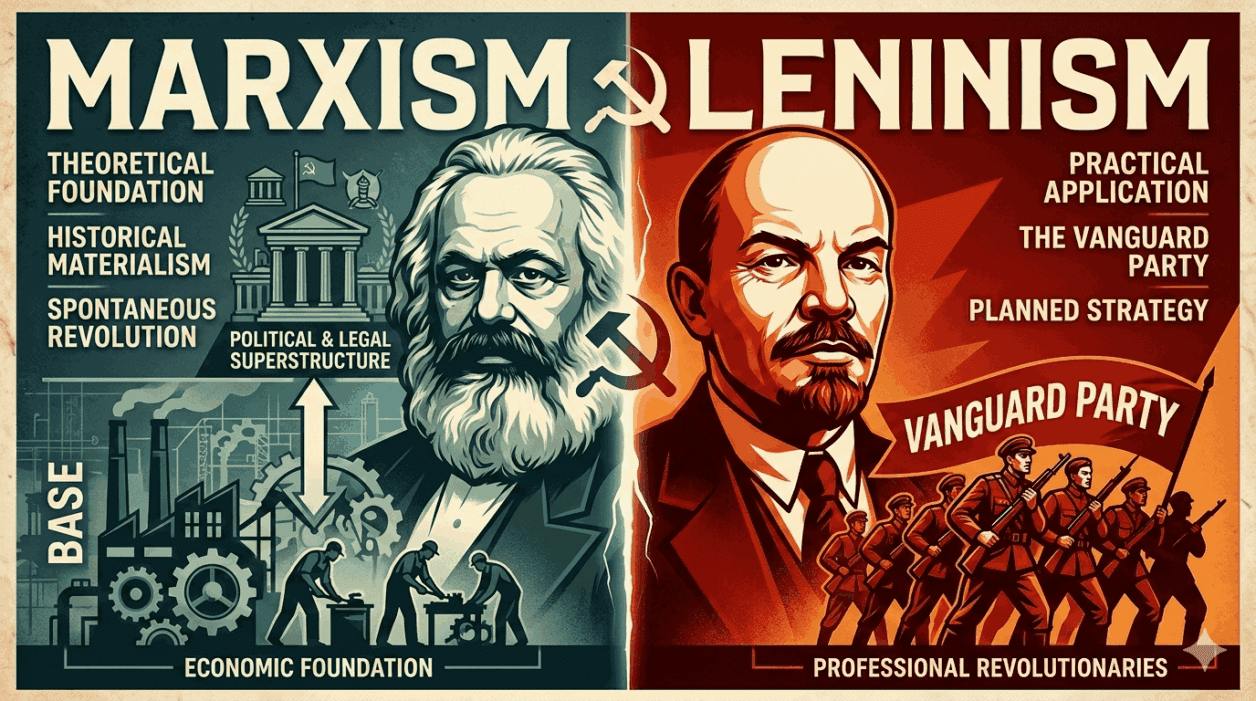
In 1955, while in Mexico, Guevara met Fidel Castro and his brother Raúl, joining their 26th of July Movement to overthrow Cuban dictator Fulgencio Batista. As a key leader in the guerrilla war, he proved to be a fearless and strategic commander, earning Castro’s trust. After their victory in 1959, Guevara became a key figure in the new government, serving as president of the National Bank and Minister of Industries, helping to transform Cuba into a communist state.
Final Years and Execution
Driven by a desire to spread revolution globally, Guevara left Cuba in 1965. He first led a failed guerrilla campaign in the Congo before turning his attention to Bolivia. On October 8, 1967, he was captured by Bolivian forces, aided by the CIA, and was executed the following day in the village of La Higuera at the age of 39.
Legacy of an Icon
Che Guevara remains one of the most polarizing figures of the 20th century. His image, captured by Alberto Korda in the famous Guerrillero Heroico photograph, has become a universal symbol of rebellion and anti-imperialism, adorning countless posters and t-shirts. While many revere him as a heroic martyr for social justice, critics accuse him of authoritarian brutality, particularly regarding executions ordered at La Cabaña prison. Regardless of one’s perspective, Che Guevara’s life story—from a doctor to a revolutionary icon—continues to captivate and inspire debate across the globe.
Sources:
BBC History, Wikipedia, Biography.com, HISTORY.com, The Motorcycle Diaries (Wikipedia)
che guevara life story biography latin american revolutionary cuban revolution motorcycle diaries iconic guerrilla fighter