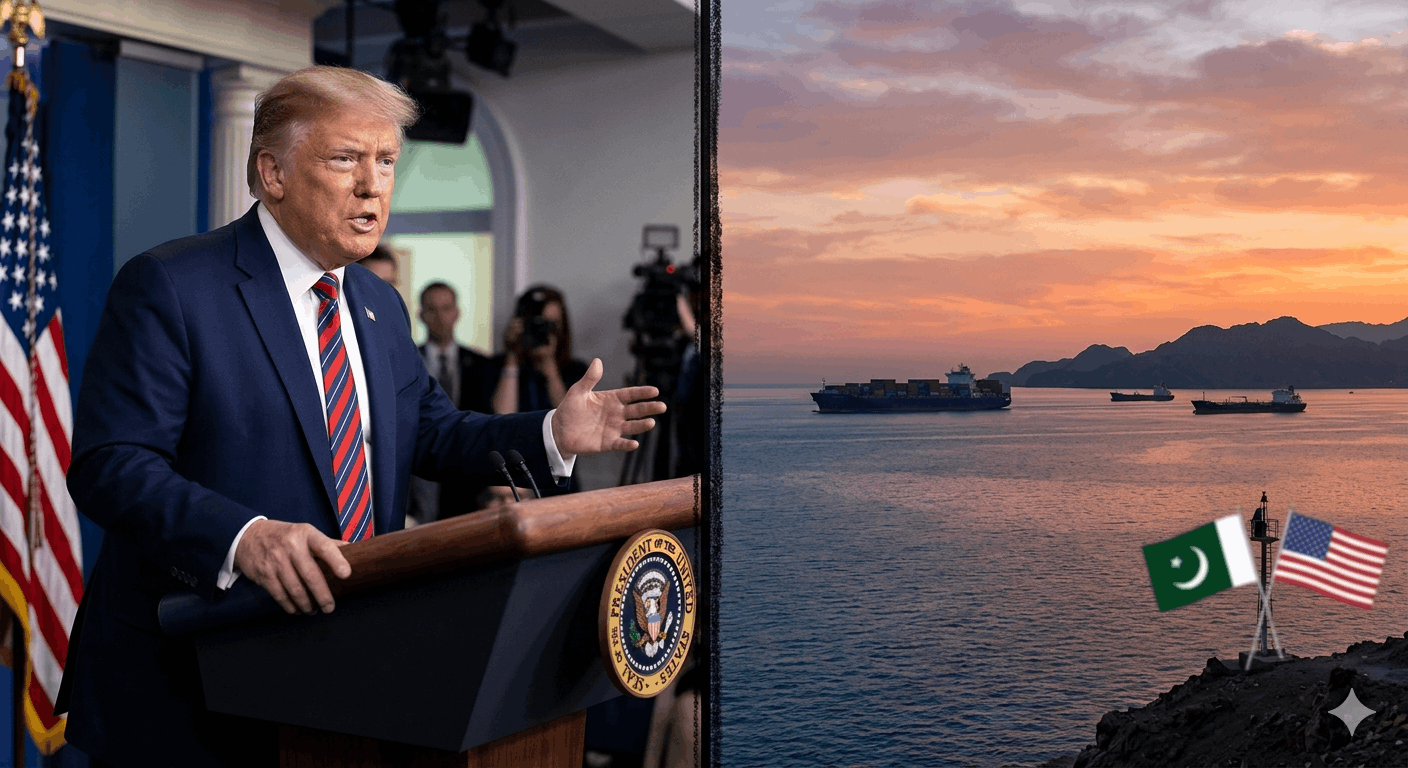
The world exhaled a collective breath of relief on Tuesday when Donald Trump announced a two-week conditional ceasefire with Iran, stepping back from his own apocalyptic threat that a “whole civilization will die tonight.” Less than two hours before his self-imposed 8pm ET deadline, the US president revealed that American and Iranian forces would suspend offensive operations after a last-minute diplomatic push led by Pakistan. Trump had earlier posted on Truth Social: “A whole civilization will die tonight, never to be brought back again. I don’t want that to happen, but it probably will”. The sudden about-face came as B-52 bombers were reportedly en route to Iran and after five weeks of war that had killed over 1,900 Iranians and disrupted global energy supplies.
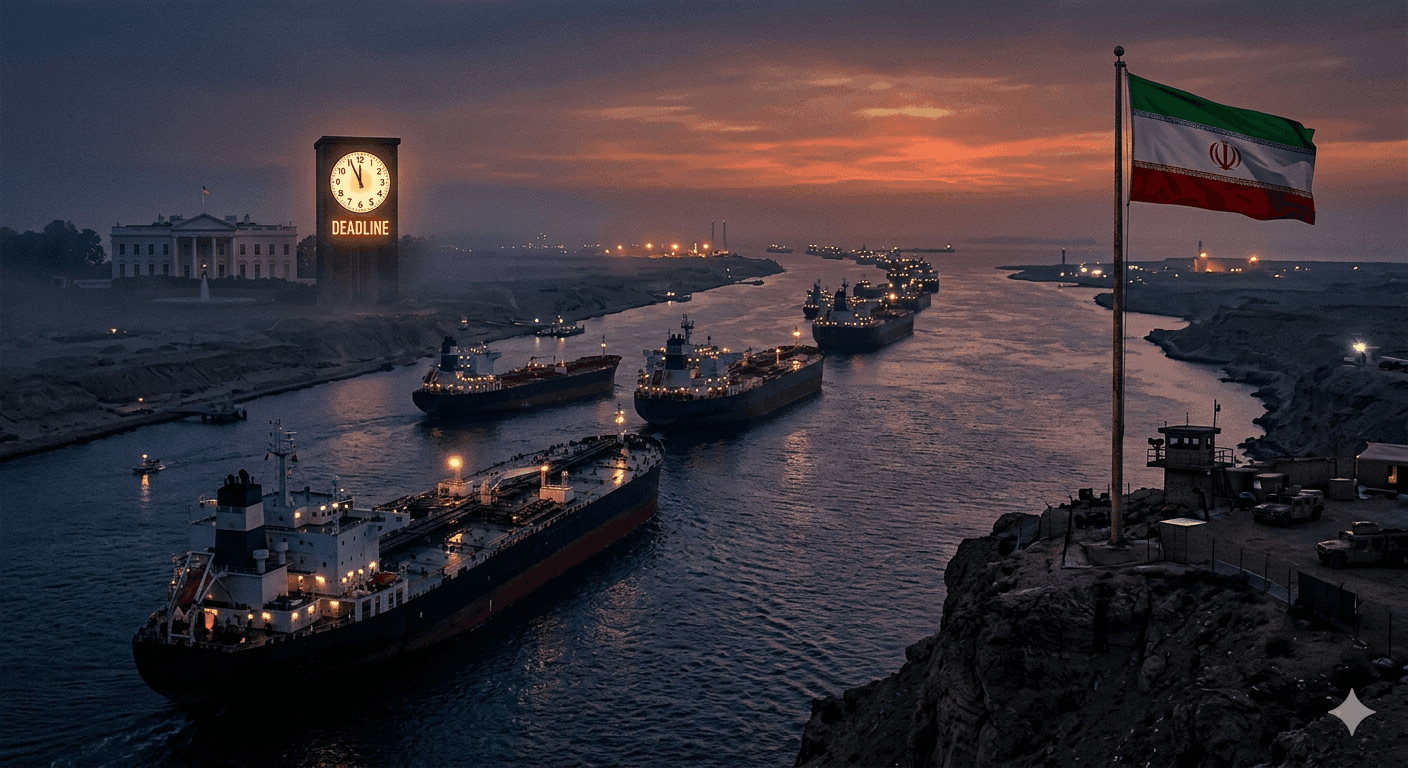
The ceasefire agreement allows shipping traffic to resume through the Strait of Hormuz, a conduit for approximately one-fifth of the world’s oil supply where traffic had slowed to a trickle since Iran closed the waterway on February 28. Under the terms announced by Trump, the US will suspend bombing and attacks for two weeks, provided Iran reopens the strait for safe passage coordinated by Iranian armed forces. Iran’s Supreme National Security Council confirmed acceptance of the two-week pause, adding that “this does not signify the termination of the war”. Formal negotiations are scheduled to begin Friday in Islamabad, with delegations from both sides meeting face-to-face to discuss a ten-point Iranian proposal that includes demands for sanctions relief, reconstruction compensation, and guarantees against future attacks.
Pakistan emerged as the unexpected diplomatic hero of the crisis, with Prime Minister Shehbaz Sharif and army chief Field Marshal Asim Munir working frantically behind the scenes to keep communication channels open. Trump said he made the decision “based on conversations” with Sharif and Munir, who had urged the president to extend his deadline and requested Iran to open the strait as a goodwill gesture. World leaders quickly praised Islamabad’s efforts, with the UK’s High Commissioner writing “Thank you Pakistan for the quiet, effective, diplomatic role you have played,” while Malaysia’s president extended “sincere congratulations and deep appreciation” for the tireless diplomacy. China and Russia also joined the latest round of contacts to help address Tehran’s distrust of Washington.
Not everyone was reassured, as missile sirens sounded in Israel and the United Arab Emirates even after the ceasefire announcement. Israel confirmed it supported Trump’s decision but clarified that the pause “does not include Lebanon,” where Israeli ground troops continue fighting Hezbollah. Iran hawks like Senator Lindsey Graham expressed extreme caution, calling for congressional review of the deal, while others questioned whether the Trump administration was losing face by allowing Iran to retain control over strait passage fees collected jointly with Oman. Pope Leo XIV had earlier called Trump’s threat to destroy Iranian civilization “truly unacceptable,” warning that attacks on civilian infrastructure violate international law.
Global oil prices plunged around 15 percent following the announcement, and US stock futures jumped as markets reacted to the reduced threat of wider war in the Middle East. Whether this two-week pause leads to lasting peace or merely postpones further bloodshed remains uncertain. But for one tense night, the world stepped back from the brink.
Sources: The Guardian, Politico, BBC, AP News, Al Jazeera, Newsweek, Xinhua, ABC Australia, Pakistan Observer, Pakistan Today, AA.com.tr, Inquirer.net, China.org.cn, NBC New York
Keywords: trump iran news at a glance latest updates today ceasefire deal strait of hormuz pakistan mediation two-week pause us iran war middle east conflict 2026