The News Behind the Surge
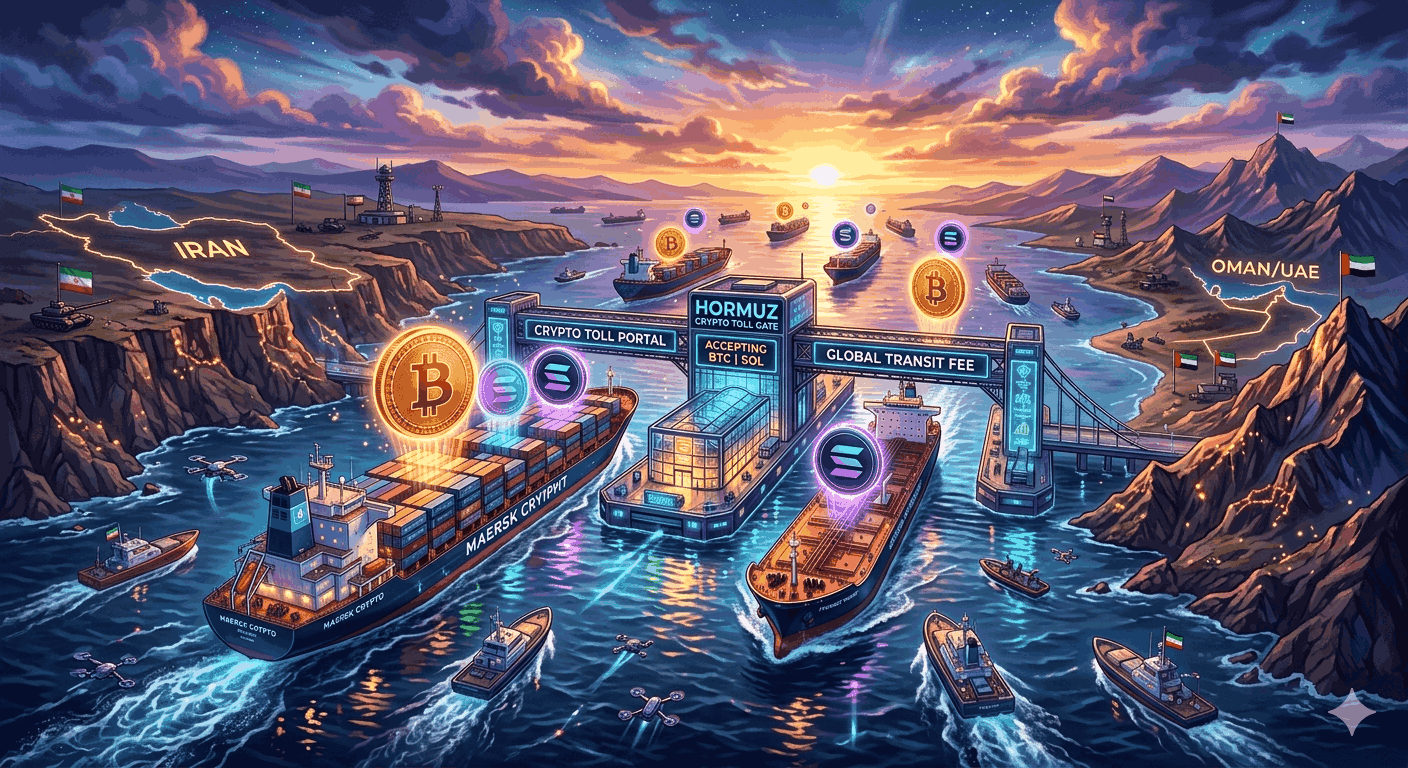
According to a Yahoo Finance report, Iran is considering a bold new policy: charging tolls for ships passing through the Strait of Hormuz – and demanding those tolls be paid in cryptocurrency. This strategic waterway is one of the world’s most critical oil transit chokepoints, through which nearly 20% of global petroleum passes. The proposal has sent shockwaves through crypto markets, with Bitcoin and Solana posting sharp gains as traders anticipate increased real-world utility for digital assets.
Why the Strait of Hormuz Matters
The Strait of Hormuz connects the Persian Gulf with the Gulf of Oman and the Arabian Sea. Any disruption or new toll there directly impacts global energy prices and shipping costs. By moving to crypto-denominated tolls, Iran aims to bypass traditional financial systems, many of which are subject to international sanctions. This move could set a precedent for other nations to adopt blockchain-based payments for strategic infrastructure.
How Bitcoin and Solana Reacted
Following the news, Bitcoin surged past key resistance levels, while Solana outperformed many altcoins with double-digit percentage gains. Investors see this as a validation of crypto’s role in geopolitics – not just as a speculative asset but as a tool for cross-border transactions under pressure. Solana’s low fees and high speed make it a practical choice for such tolls, while Bitcoin’s security and recognition offer stability.
Potential Ripple Effects on Global Trade
If Iran implements this policy, shipping companies may need to acquire and hold crypto to transit the strait. This could drive consistent, real-world demand for Bitcoin and Solana, potentially reducing volatility over time. Other nations facing sanctions or seeking financial independence might follow suit, accelerating crypto adoption in international trade. However, logistical challenges remain – including price volatility, regulatory uncertainty, and the need for user-friendly payment infrastructure.
Risks and Skepticism
Not everyone is convinced. Critics point out that Iran’s proposal could be a political signal rather than an imminent policy. The country’s crypto infrastructure is underdeveloped, and global shipping firms may resist holding volatile assets. Moreover, the US or other powers could retaliate with new sanctions targeting crypto transactions. Still, the market’s positive reaction shows that investors are betting on long-term adoption despite short-term hurdles.
What This Means for Crypto Investors
For everyday crypto holders, this news highlights a growing trend: digital assets are entering strategic geopolitical realms. Keeping an eye on such developments can offer early signals for price movements. While it’s wise not to chase hype, understanding how real-world events impact Bitcoin and Solana can help you make informed decisions. As always, diversify and stay updated on regulatory changes.
Final Takeaway
Iran’s Strait of Hormuz crypto toll plan may or may not materialize soon, but its announcement alone has reminded the world that blockchain is no longer just for tech enthusiasts – it’s becoming a tool of nations. Bitcoin and Solana’s surge reflects growing belief in a future where cryptocurrencies facilitate critical global trade. Watch this space closely; the next big move could come from another unexpected geopolitical twist.
Source: Yahoo Finance article