ave you ever scrolled through Netflix and wondered how it always knows you wanted to watch that obscure documentary? Or why the ads on your social media feed feel like they were planted there by a close friend?
It’s not magic. It’s math:
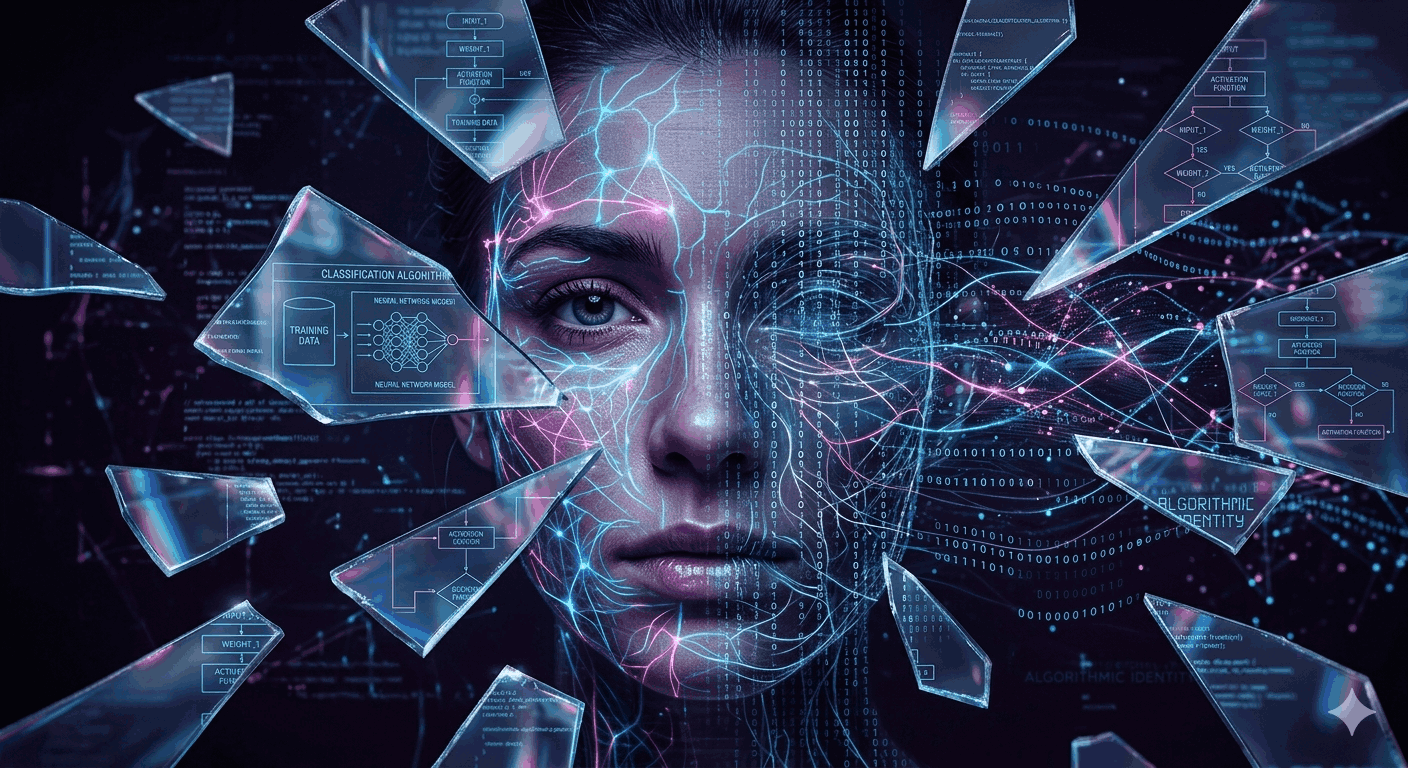
Today, we are going to explore a slightly uncomfortable idea: Your personality is becoming an algorithmic output.
Let’s break that down. We used to think of personality as something mystical—a soul, a fixed set of traits you were born with. But in the digital age, psychologists and data scientists are realizing that who you “are” online is often just a prediction generated by a machine.
The Input: Your Data:
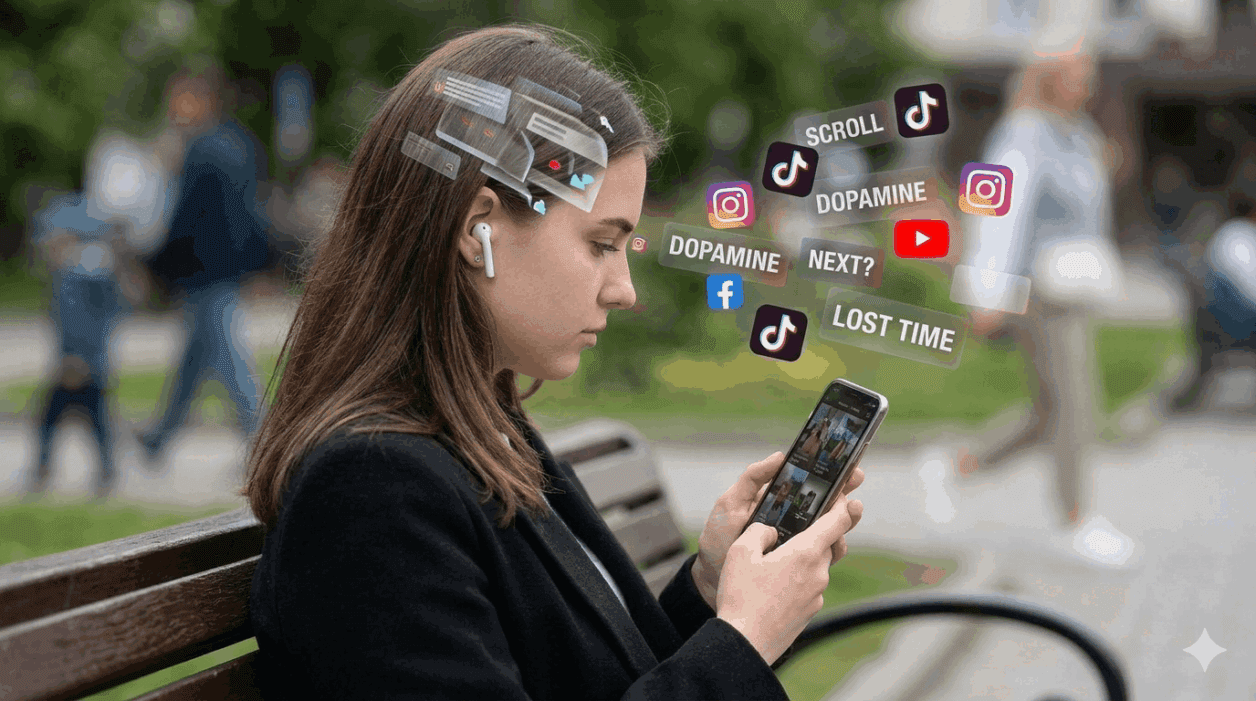
Every time you like a post, pause a video for three seconds, or type a sentence, you create a “digital footprint.” Algorithms—the step-by-step instructions computers follow—collect these footprints.
Consider this: Researchers have found that by analyzing your Facebook Likes alone, a computer can predict your personality traits (such as whether you are introverted or extroverted) more accurately than your spouse can.
How does it work?
If you like “Motorcycles” and “The Fast and the Furious”: The algorithm outputs a high score for “Sensation Seeking.”
If you like “Philosophy” and “Abstract Art”: The algorithm outputs a high score for “Openness to Experience.”
The Output: Your Digital Self:
Here is where it gets tricky. Once the algorithm defines your personality, it starts to curate your world. It shows you content it thinks you will agree with. It filters out things that don’t fit the “output” it has created for you.
Over time, you stop seeing a full spectrum of ideas. You only see the ones that match your algorithmic profile. You aren’t just expressing your personality anymore; you are consuming a version of yourself back at you.
Real-World Consequences:
This isn’t just about ads. Banks use algorithmic outputs to decide if you are “trustworthy” based on your online behavior. Employers use AI to scan your digital footprint to see if you are a “culture fit.” Insurance companies use algorithms to predict if you are a “risky” person based on your shopping habits.
In this world, your personality is no longer a private feeling; it is a score that determines the opportunities you receive.
Can You Escape the Algorithm?:
The good news is that you are still a human. Algorithms are powerful, but they are not destiny. They are pattern-matchers, not mind-readers.
If you want to take back control:
Be messy: Algorithms love consistency. Do something random. Click on a link you would never normally click.
Clean your cache: Regularly clear your cookies and browsing history to reset the “inputs.”
Curate consciously: Remember that every “like” is a data point. Ask yourself: Am I liking this because I like it, or because the algorithm suggested it to me?
The Bottom Line:
Your personality isn’t just code—you are still a complex human with free will. But in the digital marketplace, your identity is being reconstructed as a mathematical output.
Understanding this is the first step to ensuring that you remain the author of your own story, rather than just a product of the machine’s prediction.
Are you who you say you are, or who the algorithm says you are?