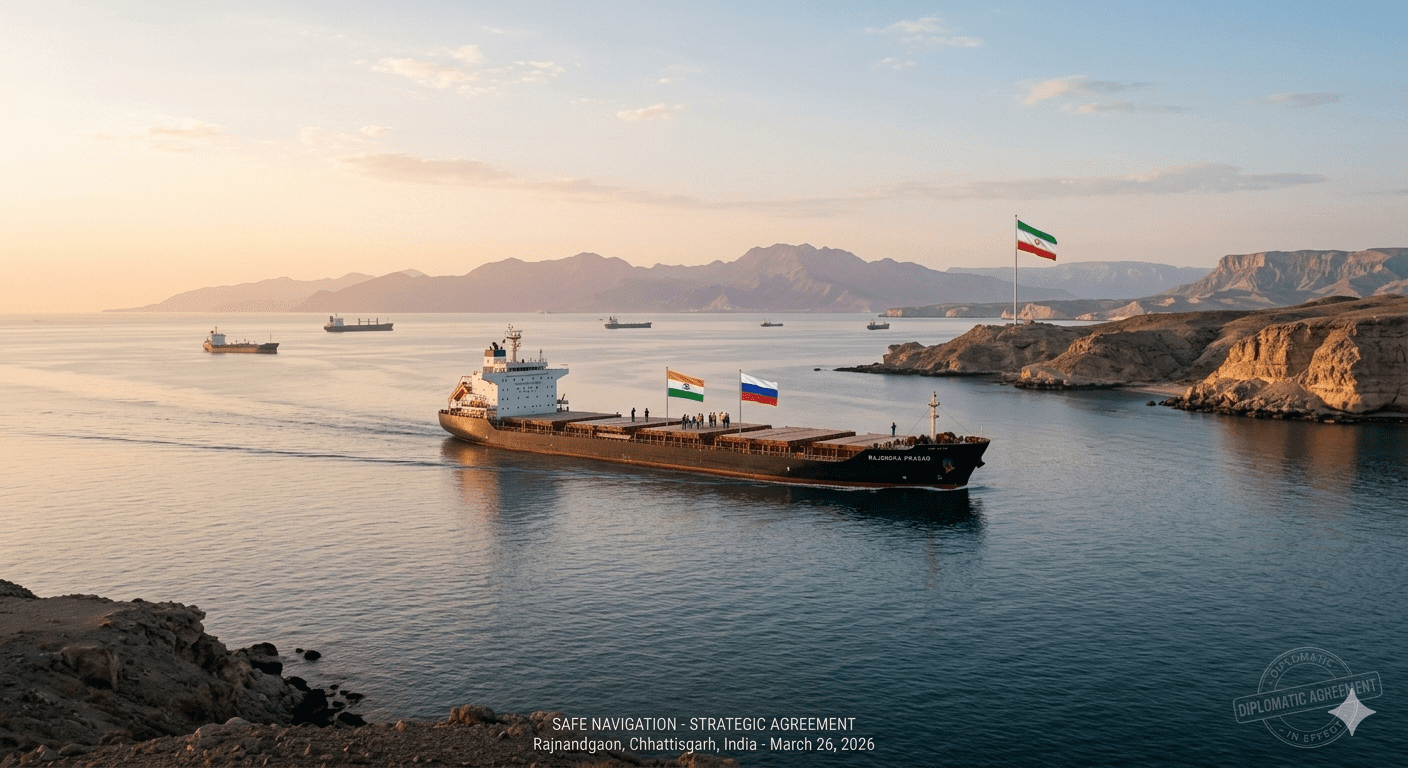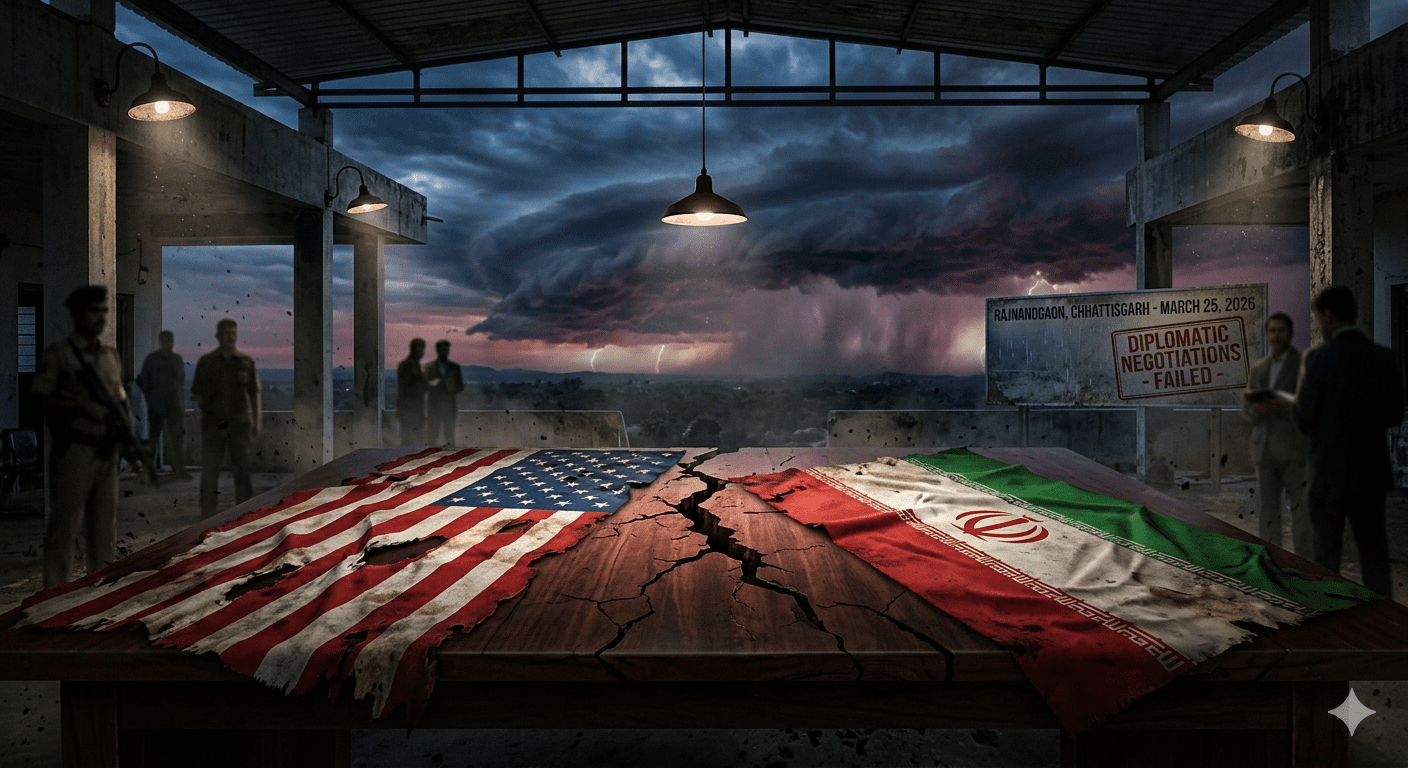
In a significant escalation of diplomatic tensions, Iran has officially rejected a United States peace proposal aimed at ending the ongoing war in the Middle East. According to Iranian state media, a senior official labeled the US plan as “excessive” and outlined five strict conditions Tehran requires to consider ending the conflict.
This rejection comes as the Pentagon confirms the deployment of US ground troops to the region, signaling that the conflict is far from over. Here’s a breakdown of the latest developments and what they mean.
What’s in the US Peace Plan?
While the full 15-point plan has not been made public, reports from Pakistan, which is acting as an intermediary, suggest it demands significant concessions from Iran. The proposal reportedly includes:
Dismantling Iran’s nuclear facilities.
Ending support for armed proxies across the region.
Limiting its missile program.
Allowing the Strait of Hormuz to operate as a free maritime zone.
An Israeli minister described the proposal as “beautiful on paper” but noted Iran was “probably” unlikely to agree. That prediction now appears accurate.
Iran’s 5 Conditions for Peace
According to Iran’s state broadcaster Press TV, a senior political-security official outlined five non-negotiable conditions Tehran insists must be met before the war can end. These conditions focus on long-term guarantees rather than a short-term ceasefire:
Complete halt to aggression: A full stop to all “aggression and assassinations” by the enemy.
End of war for all groups: The war must conclude across all fronts for all resistance groups involved throughout the region.
War reparations: Guaranteed and clearly defined payment of war damages and reparations.
Mechanisms to prevent future war: Concrete mechanisms to ensure the war is not reimposed on the Islamic Republic.
Control of the Strait of Hormuz: International recognition and guarantees regarding Iran’s sovereign right to exercise authority over the Strait of Hormuz.
The official emphasized that Iran will end the war only when it decides to do so and when its own conditions are met, rejecting any proposal that merely offers a temporary ceasefire.
US Military Build-Up in the Region
As diplomatic efforts stall, military actions are intensifying. The Pentagon has confirmed the deployment of US ground troops to the Middle East. Key units being deployed include:
82nd Airborne Division: Known for its rapid deployment capabilities, these troops are highly mobile and trained to seize key territory.
1st Brigade Combat Team (10th Mountain Division): A fully equipped unit capable of “full spectrum” or sustained combat operations.
This deployment suggests the US is preparing for potential ground operations, moving beyond the air and missile strikes that have characterized much of the recent conflict.
The Human Cost of the Conflict
The ongoing war has taken a devastating toll. According to various reports, the death toll has surpassed 4,500. Iran has suffered the heaviest losses, with an estimated 3,291 deaths, including over 1,400 civilians. Lebanon, Iraq, and other nations in the region have also reported significant casualties.
What Happens Next?
The situation remains highly fluid. While US President Donald Trump has indicated his administration is talking to the “right people” in Iran, Tehran’s public stance remains defiant. Meanwhile, fighting continues across the region, with recent strikes reported in Iran, Lebanon, Iraq, and Gulf states like Kuwait and Saudi Arabia.
The coming days will likely determine whether diplomatic channels can reopen or if the region will face a further escalation of the conflict.
keywords:
iran rejects us peace plan excessive five conditions end war state media report tehran responds negatively us iran war updates middle east conflict news today
Sources:
BBC News (March 24, 2026), BBC Persian, Pentagon, Press TV, MarineTraffic