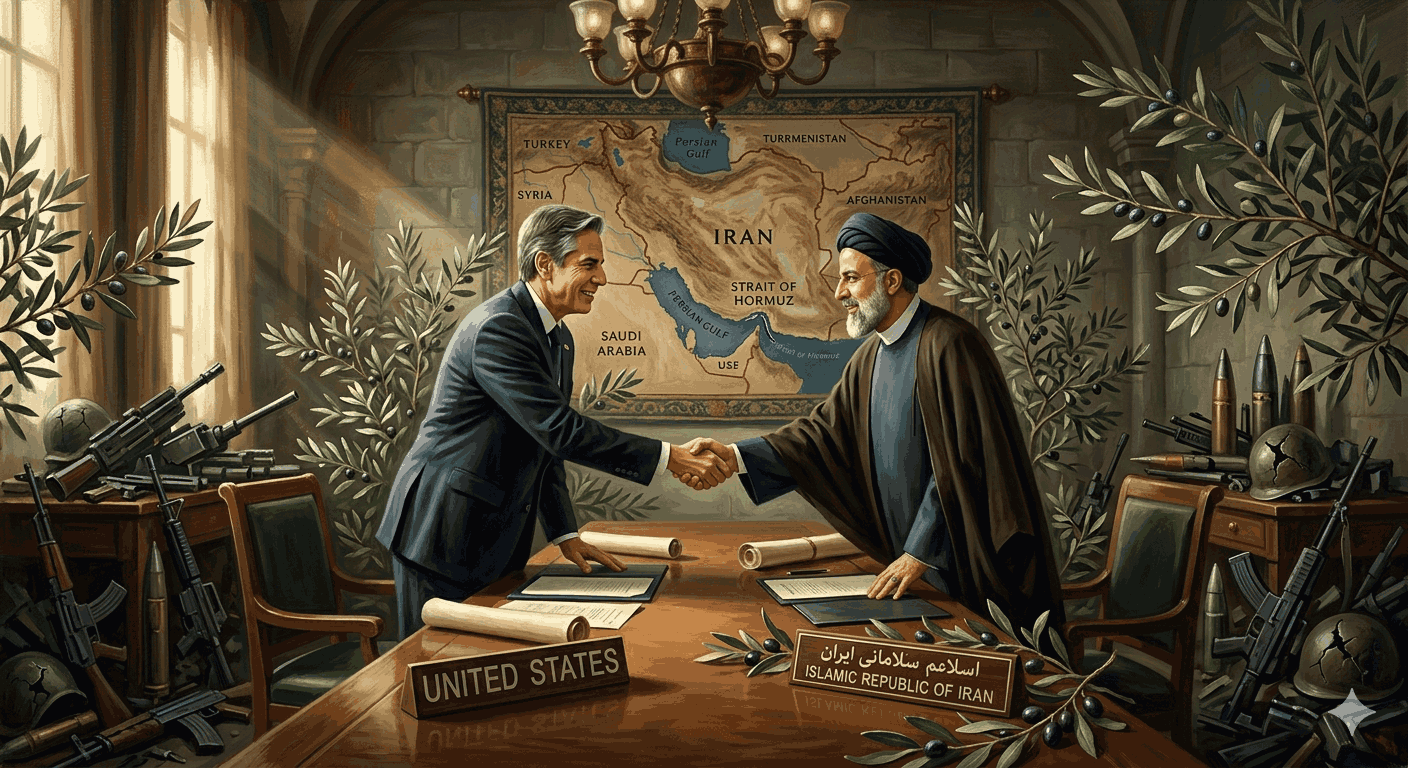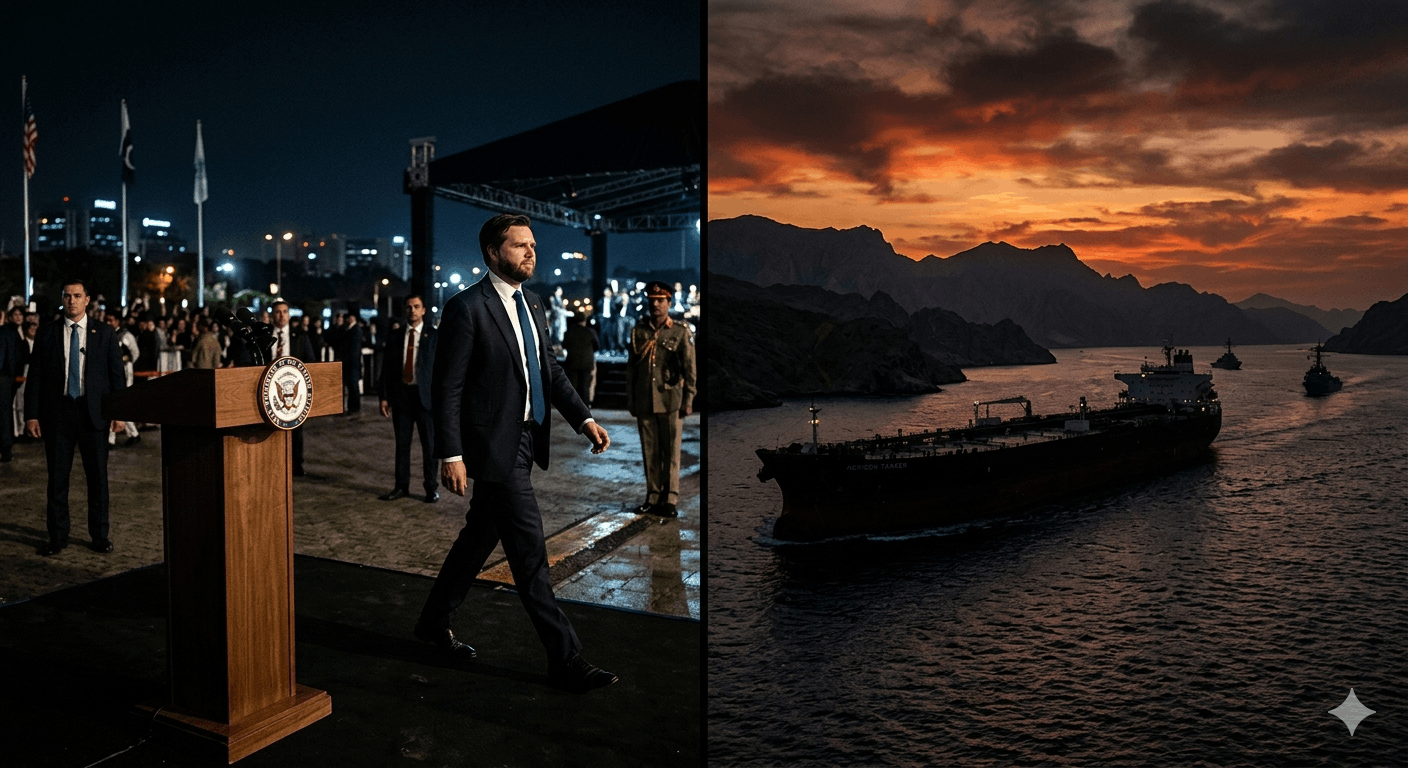
The highly anticipated peace talks between the United States and Iran in Islamabad, Pakistan, have ended without an agreement after an exhausting 21 hours of negotiations. US Vice President JD Vance, who led the American delegation, confirmed the failure early Sunday, telling reporters that Tehran had chosen “not to accept our terms” and that the offer presented was Washington’s “final and best offer.” This diplomatic breakdown now throws the fate of a fragile two-week ceasefire into serious doubt, leaving the region bracing for a potential return to full-scale war.
The core of the disagreement centered on Iran’s nuclear ambitions. Vance made it clear that the United States needs a “fundamental commitment” from Tehran to abandon any pursuit of nuclear weapons or the technical capability to produce them quickly. Despite expert warnings that Iran has been enriching uranium to levels close to weapons-grade, the Iranian delegation refused to provide the binding pledge that Washington demanded. Iran’s lead negotiator, Mohammad Bagher Ghalibaf, stated that the talks failed primarily because the US was unable to gain the trust of his team, accusing America of making “excessive” demands.
However, the dispute was about more than just nuclear centrifuges. A major new point of contention is the strategic Strait of Hormuz, a vital waterway through which approximately 20% of the world’s oil passes. Iran has effectively blockaded the strait since the war began, and US officials have accused Tehran of illegally charging fees to tankers. With the failure of the talks, the US military is now “setting the conditions” to potentially clear the strait by force, raising the specter of a direct naval confrontation.
The geopolitical ripple effects are already being felt across the region and the world. The uncertainty has driven up fuel and fertilizer prices in Africa and continues to throttle global energy supplies. Furthermore, the talks were complicated by parallel conflicts, as Israel and Hezbollah continue to trade fire in Lebanon. Israeli attacks on southern Lebanon continued overnight, and the Lebanese government is now planning its own separate talks with Israeli diplomats in Washington.
While the immediate outlook is grim, some channels of communication remain open. Iran’s Foreign Ministry has downplayed the failure, stating that no one realistically expected to reach an agreement in a single session and expressing confidence that contacts will continue. Pakistan, which played the role of mediator, has called for lines of communication to remain open and hopes the ceasefire can be extended.
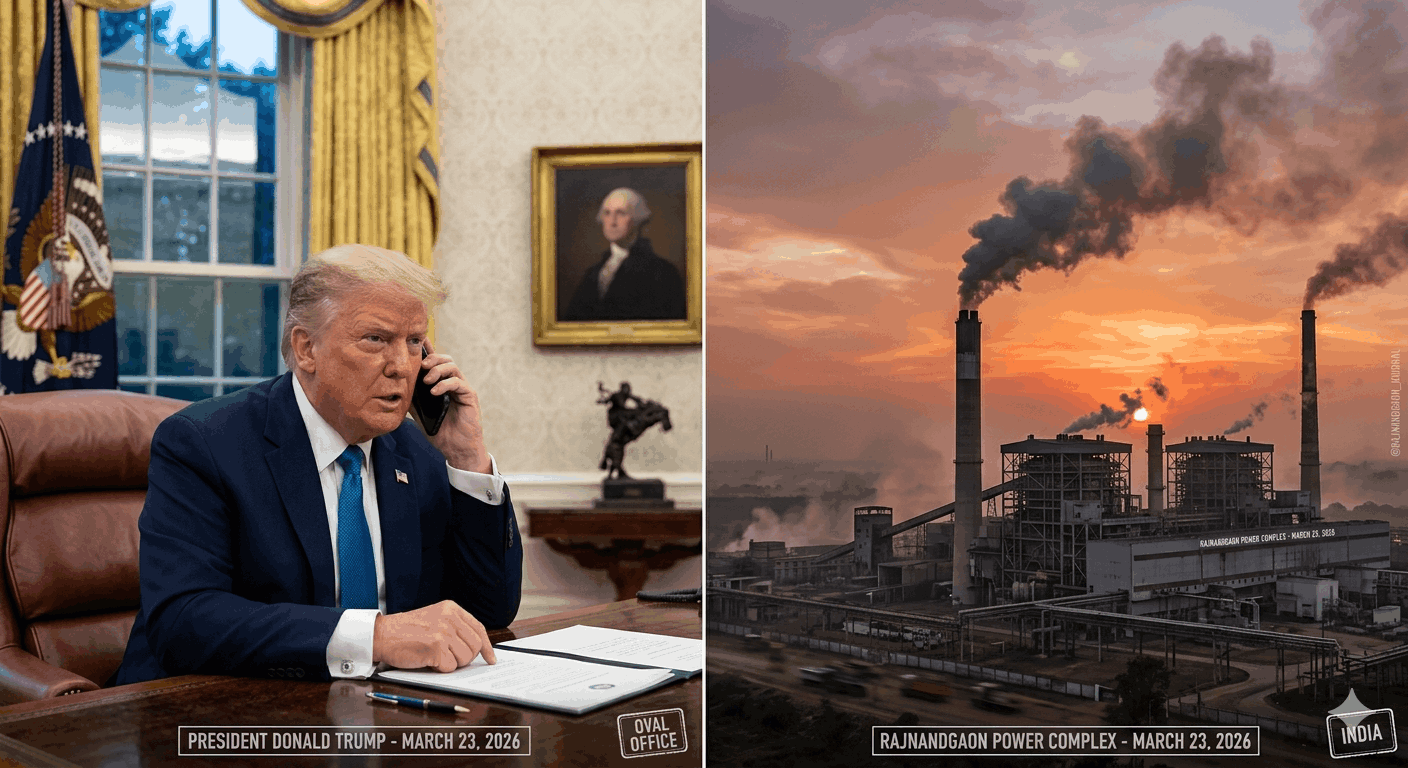
For now, the ball is firmly back in Donald Trump’s court. With Vance having departed Islamabad, the world now watches to see if the US President will follow through on his apocalyptic threats to destroy Iranian infrastructure or seek a new, quieter diplomatic path. One thing is certain: after this historic failure, the Middle East stands closer to the brink than ever before.
iran war news trump vance iran talks nuclear deal strait hormuz pakistan peace talks israel lebanon global oil crisis us iran diplomacy middle east war live updates 2026
Source: CNN, Al Jazeera, BBC, Reuters, Indian Express, Amu TV, The National, Bernama