For more than four decades, Pakistan’s approach toward its western neighbor has been guided by a single, unshakable assumption: Afghanistan’s political future must align with Islamabad’s security interests. From backing mujahideen factions during the Soviet war in the 1980s to fostering the rise of the Taliban in the 1990s, Pakistan’s strategy was built on the idea of using proxy influence to create a friendly buffer state.
Today, that policy is unraveling in ways that threaten Pakistan itself.
According to a recent analysis by Mariam Wardak, a former advisor to the Afghan President, Islamabad is now facing the predictable consequences of decades of short-term tactical thinking. The very militant networks once cultivated as tools of regional influence—most notably the Tehrik-i-Taliban Pakistan (TTP)—have turned against their creators, intensifying attacks inside Pakistan and creating a full-blown security crisis.
The Illusion of Strategic Depth
At the heart of this conflict lies a concept known as “strategic depth.” For decades, Pakistan’s military establishment viewed Afghanistan as essential to its defense against India. The idea was to ensure that Kabul remained politically aligned with Islamabad, preventing any hostile power from operating on Pakistan’s western flank.
But this strategy ignored a fundamental truth: Afghanistan has a long and proud history of resisting external control. From the British Empire to the Soviet Union, no foreign power has ever successfully dominated the country. Afghan leaders across the political spectrum have consistently rejected attempts by Islamabad to shape their internal politics.
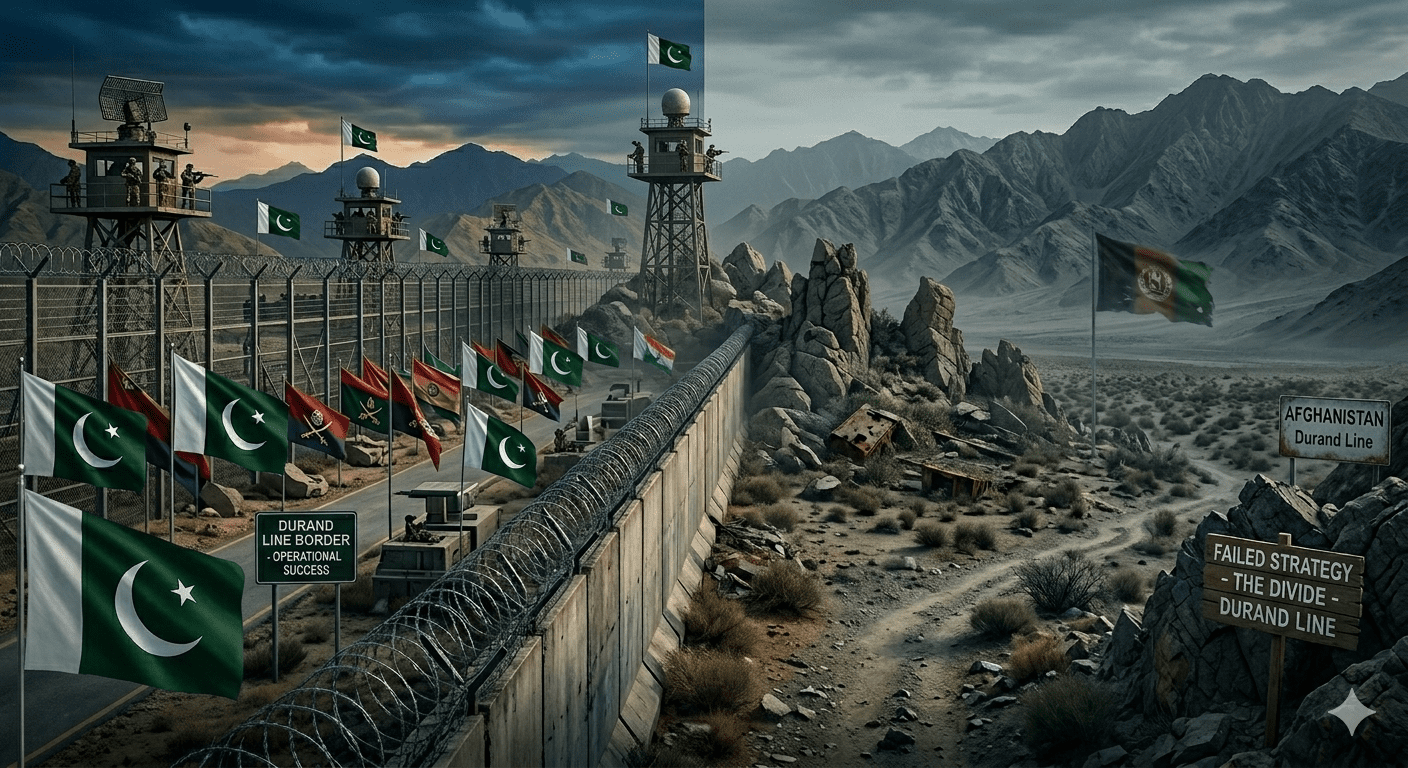
The dispute over the Durand Line—the colonial-era border drawn by the British in 1893—remains a powerful symbol of this friction. While Pakistan considers the border settled, many Afghans view it as an illegitimate division of their tribal lands. Pakistan’s recent efforts to fence and militarize the border have only deepened resentment on both sides.
Blowback and Border Crisis
The failure of Pakistan’s approach is now evident in the surge of violence from the TTP. Islamabad accuses the Afghan Taliban government of allowing these militants to operate freely from Afghan soil, launching cross-border strikes and ramping up military activity in response. Additionally, the mass deportation of hundreds of thousands of Afghan refugees has further strained ties.
However, as Wardak notes, these aggressive measures address only the symptoms of the crisis, not its root cause. The underlying problem is that Pakistan has never fully accepted the idea of an independent Afghanistan pursuing its own geopolitical interests.
A Path Forward
The situation today serves as a powerful lesson: influence achieved through proxies rarely produces sustainable security. Instead, it creates cycles of dependency, mistrust, and violent blowback.
For the relationship to stabilize, a fundamental shift in perspective is required. Pakistan must recognize that a stable Afghanistan cannot be manufactured through pressure or coercion. Lasting security can only emerge from a relationship based on mutual sovereignty, economic cooperation, and respect for territorial integrity.
The lesson, repeated throughout history by empires and superpowers alike, is now clear for Islamabad: Afghanistan cannot be controlled. The sooner that reality is accepted, the sooner both nations can move beyond conflict and toward a future of coexistence.