In the digital age, a single “hug” can launch a thousand memes—and, apparently, a dozen government takedown notices.
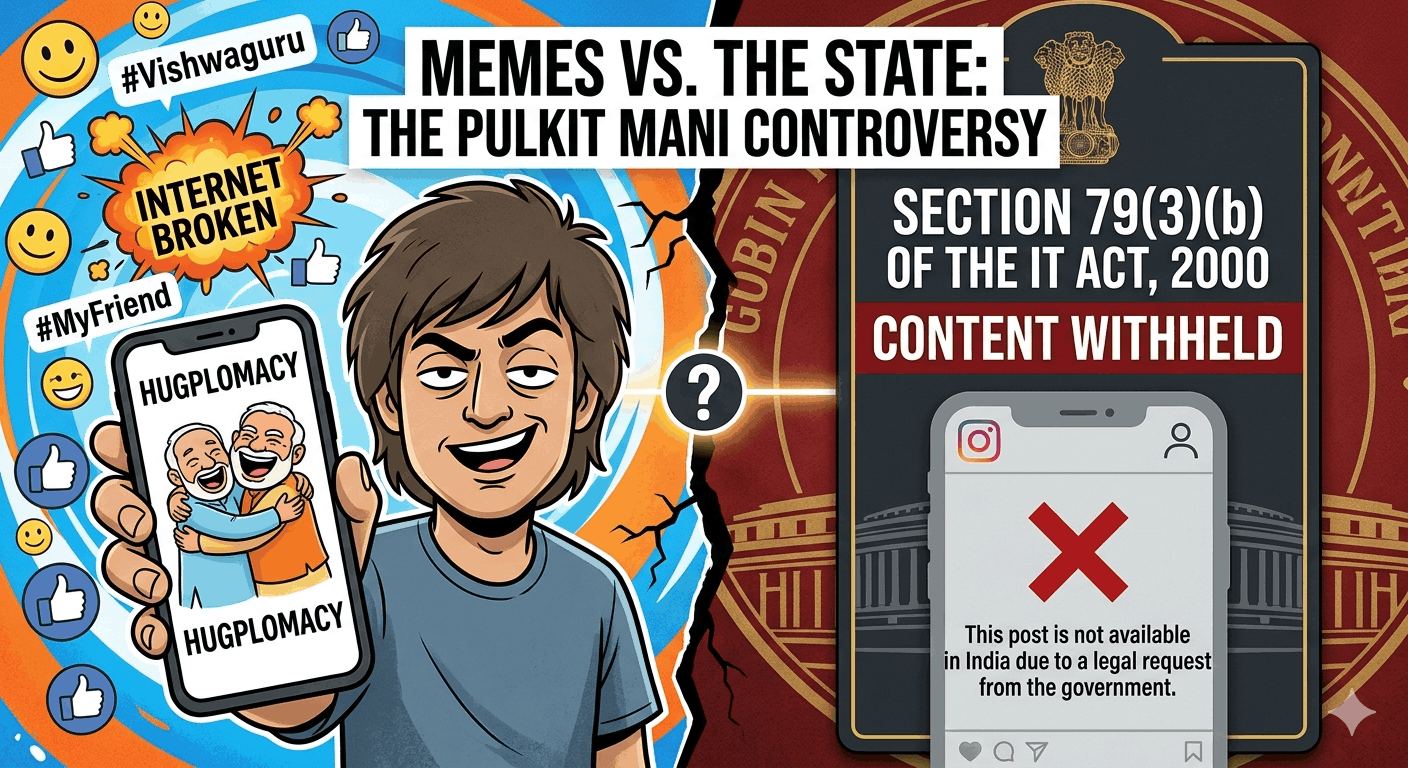
By March 2026, the Indian internet was set ablaze not by a political manifesto or a breaking news report, but by a satirical video from comedian Pulkit Mani. His parody of Prime Minister Narendra Modi’s diplomatic style didn’t just go viral; it became the center of a national debate on free speech, the “Vishwaguru” narrative, and the unintended power of the Streisand Effect.
The Spark: “How Moody Gee Greets Foreign Ministers”
On March 5, 2026, Pulkit Mani (known on Instagram as @hunnywhoisfunny) uploaded a reel titled “How Moody Gee Greets Foreign Ministers.” The premise was simple mimicry, focusing on the PM’s “exuberance” during international summits.
The video featured:
The Signature Hugs: A satirical take on the PM’s penchant for “hugplomacy” with world leaders.
The Catchphrases: An exaggerated use of “My Friend” and a specific, hearty laugh.
The Contrast: Mani juxtaposed this high-energy “friendship” diplomacy against serious geopolitical tensions in West Asia and the domestic scramble for resources like cooking gas.
Within days, the video clocked over 16.5 million views. It struck a chord because it hit at a moment of “cognitive dissonance”: while the government projected a “strongman” image on the global stage, domestic markets were reeling from the fallout of the Iran-Israel conflict.
The Crackdown: Section 79(3)(b)
The humor didn’t last long in official circles. By mid-March, Instagram users in India trying to view the reel were met with a blank screen and a notice stating the content was “not available in India” due to a legal request from the government under Section 79(3)(b) of the IT Act, 2000.
Government counsel later suggested that such content portrayed the Prime Minister in “bad taste.” This move wasn’t isolated; it coincided with a broader wave of account suspensions on X (formerly Twitter), targeting popular parody handles like @DrNimoYadav and @Nehr_who.
The Rebound: Dhruv Rathee and the Streisand Effect
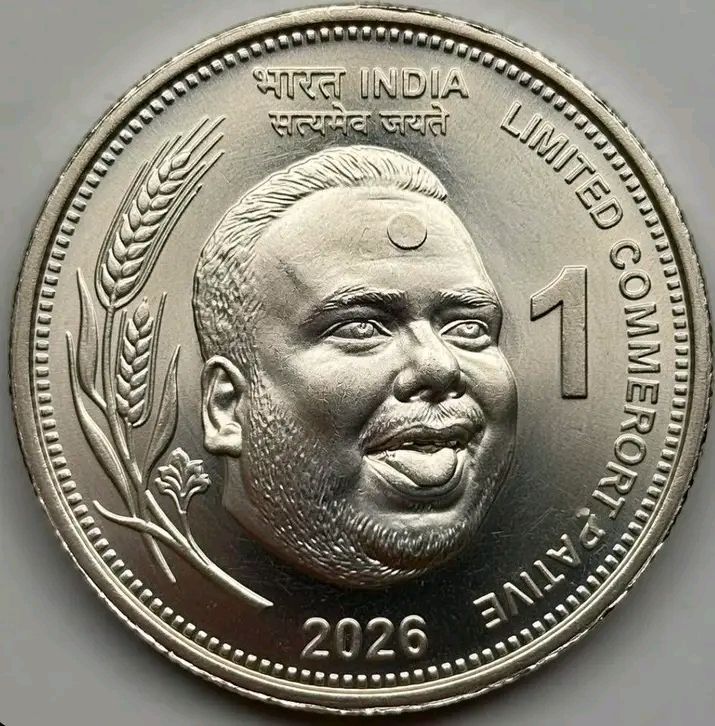
The attempt to erase the video only ensured that everyone saw it. In a classic example of the Streisand Effect—where an attempt to hide information actually increases its visibility—YouTuber Dhruv Rathee stepped in.
Two days after the original takedown, Rathee reposted Mani’s video with a short commentary:
“If you praise Modi, they will get your films shown on big screens. But if you show reality, even through comedy, they will not let your videos stay on social media.”
Rathee’s repost garnered a staggering 36 million views, effectively doubling the reach of the original video and making “Pulkit Mani” a household name for those following the censorship saga.
Why It Matters: The Shifting Ground of Indian Satire
The Pulkit Mani incident represents a turning point in Indian digital culture for three reasons:
The End of the “Untouchable” Image: For years, the PM’s foreign policy was viewed as a primary strength. Mani’s memes successfully turned “global stature” into a comedic punchline.
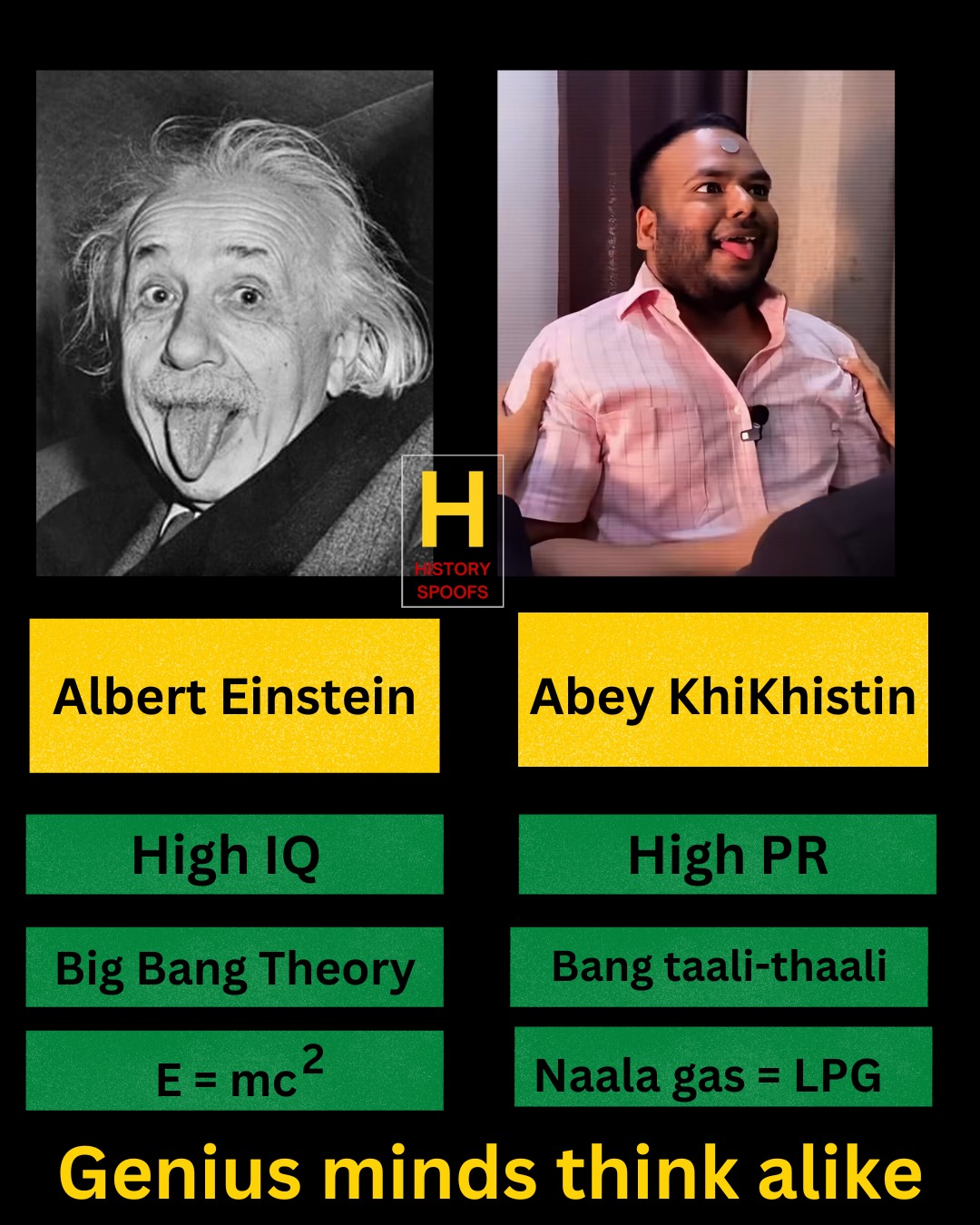
The Economic Link: The memes weren’t just about laughs; they were about the fuel crunch and rising prices. When the “Vishwaguru” narrative met the reality of empty cooking gas cylinders, satire became the bridge for public frustration.
The Failure of Digital Walls: The rapid-fire sharing across platforms like WhatsApp and the intervention of larger creators like Rathee showed that in 2026, “blocking” a video is often the best way to make it go viral.
Final Thoughts:
Pulkit Mani may have had his original post deleted, but he succeeded in doing what every satirist dreams of: he held up a mirror to power so effectively that the power tried to smash the mirror. In the end, the internet didn’t just break—it multiplied.