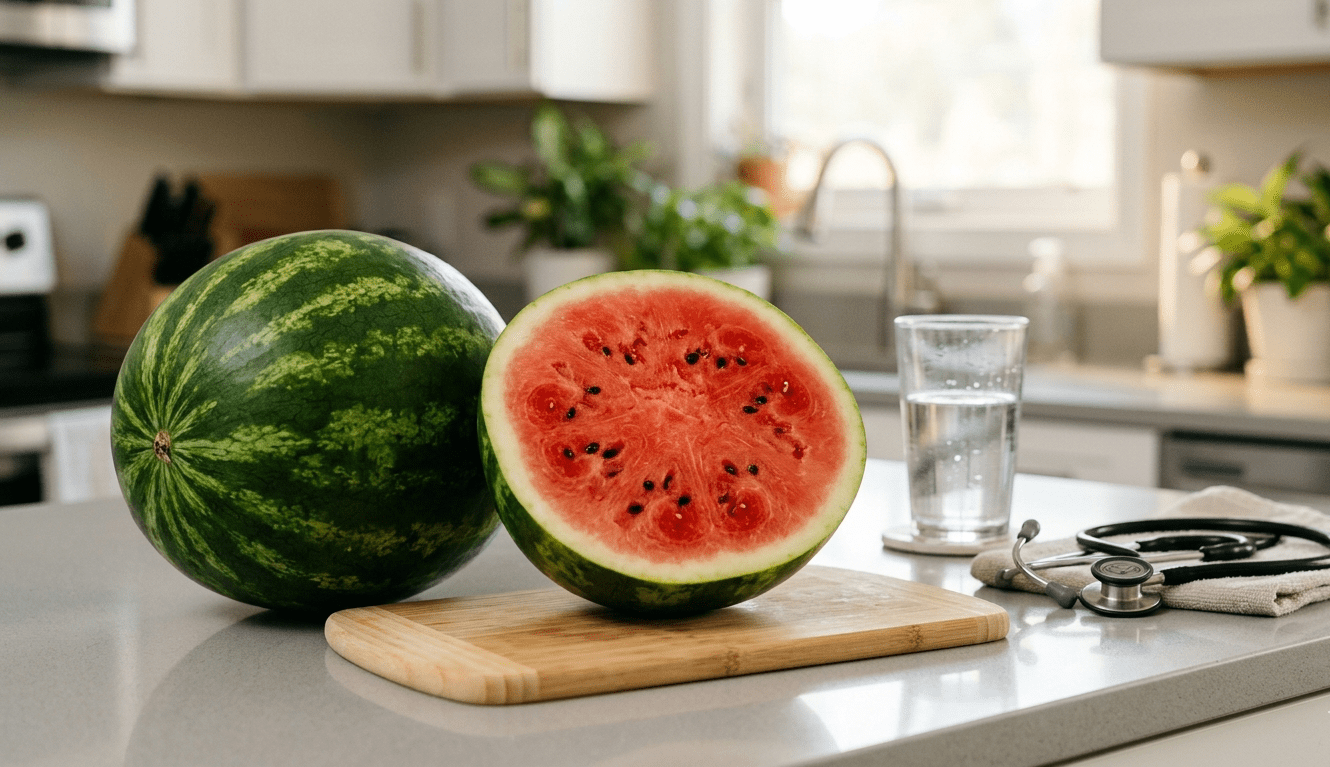
A tragic incident in Mumbai has made headlines, causing many to question if watermelon is safe to eat. Four members of a family sadly passed away after consuming a late-night meal that included the fruit. However, doctors across the city have stepped forward to clarify that watermelon itself is highly unlikely to be the cause. They are urging the public not to panic.
The Facts from Leading Doctors
Medical experts at KEM and JJ Hospitals in Mumbai have clearly stated that watermelon is generally safe and widely consumed, especially during summer due to its high water content. Dr. Akash Shukla, a gastroenterologist, noted that while rare cases of toxic reactions from certain foods exist, there is no evidence linking watermelon to such fatal outcomes. The victims showed signs of severe food poisoning, but doctors stressed that even a stale watermelon is “highly unlikely” to cause such rapid and fatal results in all four individuals.
How Contamination Can Happen
The real risk with any fresh produce, including watermelon, is contamination. Watermelon can become harmful if it has been cut and left out too long, washed with dirty water, or sliced with an unclean knife. It can also harbour dangerous pathogens like Salmonella, E. coli, or harmful chemicals from pesticides. Because of its high water and natural sugar content, a cut watermelon becomes a breeding ground for bacteria if not stored properly. This is why safe handling is crucial for all fruits and vegetables, not just watermelon.
The Power of a Simple Water Test
You can perform a quick test at home to check for artificial colours. Simply cut a small piece of the red flesh and drop it into a glass of clean water. If the water quickly turns a bright pink or deep red, it could be a sign of an artificial dye. A safe watermelon will only slightly cloud the water after some time, or not change its colour at all. This is an easy way to put your mind at ease before serving the fruit to your family.
Why Watermelon is a Superfood for Summer
Despite the unfounded fears, watermelon remains one of the healthiest fruits you can eat. It is 92% water, making it an excellent choice to stay hydrated during the hot summer months. It is packed with powerful antioxidants like lycopene, which helps guard against certain cancers, and is rich in vitamins A, B6, C, and potassium. Including watermelon in your diet can support heart health, aid digestion, and even help your muscles recover after exercise.
5 Expert Tips for Choosing a Safe Watermelon
To enjoy your fruit completely worry-free, follow these simple safety tips recommended by experts. Always choose a melon that is firm and symmetrical, with no visible bruises, cracks, or dents, as damage can allow bacteria to enter the fruit. Before cutting, wash the entire watermelon thoroughly under clean running water to remove any dirt or germs on the rind; if you use a dirty knife, you can drag bacteria from the outside into the flesh. Once cut, consume the fruit immediately or store it in the refrigerator in a clean container. The moist flesh spoils quickly, so avoid eating pre-cut watermelon that has been sitting out on a market shelf. Always use a clean knife and cutting board, and discard any fruit that tastes fizzy, smells sour, or has an unusual texture.
Sources: Times of India, Indian Express, NDTV Food, Deccan Herald, Slurrp, Newsable Asianet News